
The quick answer
So, is the foldable iPhone worth it? For most people, not at launch: a reported $2,000-plus price, a Touch ID step back, and famously tight first-gen supply make it a pay-to-beta-test situation. The one big surprise (a screen with almost no crease) is real, and it changes the math for a small group. Who those buyers are, and the exact point where “wait” flips to “buy,” is below.
Jump to: the real cost · the Touch ID catch · buy or wait guide
Apple’s first folding phone is expected to land in September 2026, right alongside the iPhone 18 Pro line. By the end of this article you will know exactly whether to hold out for the fold or buy a current iPhone now, so you avoid gambling two thousand dollars on a first-generation device that may not deserve it yet.
Here is the honest tension. The leaks are genuinely exciting, and one of them (a near crease-free display) would be a real engineering win. Yet almost everything we know about first-gen Apple hardware, and about this launch specifically, points the other way. We dug into the reports, the analyst notes, and the supply picture to lay out the trade in plain numbers instead of hype.
On this page
- What the foldable iPhone actually is
- The $2,000 question: what a first-gen fold really costs
- The Touch ID catch (and other first-gen trade-offs)
- The supply problem might decide for you
- Should you buy the foldable iPhone or wait?
- What to buy instead if you are not waiting
- Foldable iPhone FAQ
Some links in this article are affiliate links. If you buy through them, we may earn a small commission at no extra cost to you. Learn more.
As an Amazon Associate I earn from qualifying purchases.
What the Foldable iPhone Actually Is
Picture a book-style phone. Closed, it behaves like a slim regular iPhone with a roughly 5.5-inch outer screen. Opened, it unfolds into a tablet-ish canvas of about 7.8 inches. Those sizes come from analyst Ming-Chi Kuo and display researchers at TrendForce, though The Information has floated slightly smaller panels, so treat the exact numbers as leaks rather than gospel.
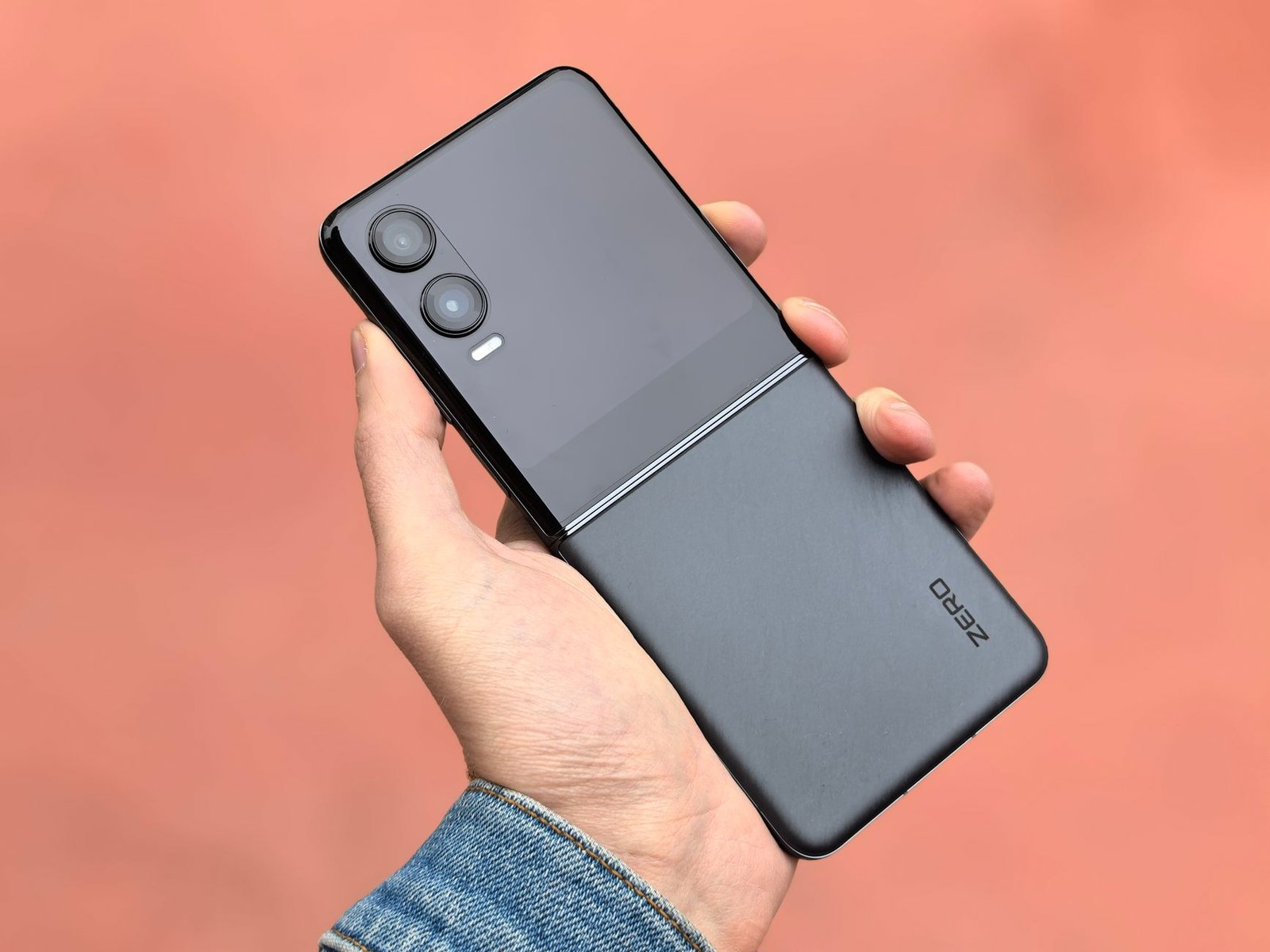
The headline feature is the part Apple reportedly obsessed over: the crease. Rival foldables have shipped for years with a visible dent down the middle of the screen. According to multiple reports, Apple chased a near crease-free display “regardless of cost” using a redesigned hinge and new display materials. If that holds up in real hands, it is the first foldable that solves the one flaw everyone notices.
The rest of the leaked spec sheet is quietly impressive too. Kuo pegs the body at roughly 4.5 to 4.8mm unfolded, which is iPhone Air territory, and around 9 to 9.5mm folded. Samsung Display was reportedly approved to make the folding OLED panel as Apple’s exclusive supplier. So this is not vaporware. It is coming, and it is coming soon.
That is exactly why the price and the trade-offs matter so much.
The $2,000 Question: What a First-Gen Fold Really Costs
Every credible leak lands in the same expensive neighborhood. Kuo estimates a starting price between $2,000 and $2,500, and Bloomberg’s Mark Gurman has reported a similar range. Even at the floor, that is the most expensive iPhone Apple has ever sold, by a wide margin.
Here is what that premium looks like next to phones you can buy today.
Set against Apple’s current iPhone lineup, the gap is stark. The fold’s reported $2,000 entry is about $800 more than an iPhone 17 Pro Max, roughly double an iPhone Air, and around $1,200 more than a standard iPhone 17. You are not paying a small novelty surcharge. Instead, you are paying for a second flagship.
And that is only the sticker. First-gen buyers also quietly pay in other ways: thinner case and accessory options at launch, fewer folding-optimized apps on day one, and the classic gen-1 risk that the hinge, software, or battery reveal quirks Apple irons out in the second version. None of that shows up on the price tag, but all of it shows up in your experience.
The Touch ID Catch (and Other First-Gen Trade-Offs)
There is one spec that surprises almost everyone, and it is the clearest sign this is a compromise design. Reports say the foldable iPhone will use Touch ID, likely built into the side button, instead of Face ID.
Why does that matter? For years, Face ID has been the default iPhone unlock, and it is deeply tied to features people use daily, from app logins to Apple Pay glances. A folding chassis apparently leaves no clean place for the Face ID sensor array, so Apple reportedly fell back to a fingerprint reader. It is not a dealbreaker for everyone. Plenty of people actually prefer a fingerprint. Still, spending flagship-plus money to move backward on a signature iPhone feature is a strange feeling, and it is the kind of thing a gen-2 model often quietly fixes.
Stack the trade-offs together and a pattern appears:
- Touch ID, not Face ID. A step back on Apple’s headline biometric.
- Crease-free but unproven. The tech is exciting, yet durability over years of folds is a real question mark for any new hinge.
- Camera compromises. Folding phones historically carry weaker cameras than same-price slab flagships because of the space the hinge and dual screens eat up.
Each one alone is survivable. Together, at $2,000, they build a strong case for patience.
The Supply Problem Might Decide for You
Here is the gotcha the excited roundups tend to bury: even if you want one, you may not be able to get one.
Reports point to Apple shipping only around three million foldable units by the end of 2026, well below earlier estimates of eight to ten million. Because of manufacturing yield constraints on a brand-new panel and hinge, broad availability may not arrive until late 2026 or slip into early 2027. Industry trackers still expect the iPhone Fold to soak up roughly 29 percent of all foldable display orders for the year, which tells you how much demand is chasing how few units.
Translation: the launch could be a scramble of sold-out pages and inflated resale listings. If you are not first in line the second pre-orders open, the market may quietly make the “wait” decision for you. Ironically, that scarcity is one more reason not to stress about buying on day one.
Should You Buy the Foldable iPhone or Wait?
So, is the foldable iPhone worth it for you?
Skip the hype and use clear cut-offs. Here is the framework we would actually follow.
Wait for gen 2 if any of these sound like you:
- You want your $2,000 phone to just work, with mature software and full accessory support on day one.
- Face ID is part of your daily flow and losing it would annoy you.
- You already own an iPhone from the last two years that still runs great.
- You are budget-conscious and this would be a stretch purchase.
That is most people, honestly. For the majority of readers, waiting for the second generation (better price, proven hinge, likely restored Face ID, real app support) is the smart, boring, correct move.
Buying at launch is defensible only if all of these are true:
- You have genuinely wanted a folding phone for years and this is your dream device.
- The $2,000-plus price is comfortable, not a stretch, for your budget.
- You value being first and accept that gen 1 means occasional rough edges.
- You can actually secure a unit at launch without paying a resale markup.
Notice how narrow that second list is. If you cannot check every box, the answer points to waiting. This is a commercial decision dressed up as a tech launch, and the disciplined choice is usually to let the price and the software settle first.
What to Buy Instead If You Are Not Waiting
Deciding to wait does not mean living with a dying phone for another year. If your current iPhone is on its last legs, the “buy now, fold later” play is a strong current-generation iPhone that holds value well for trade-in when gen 2 arrives.
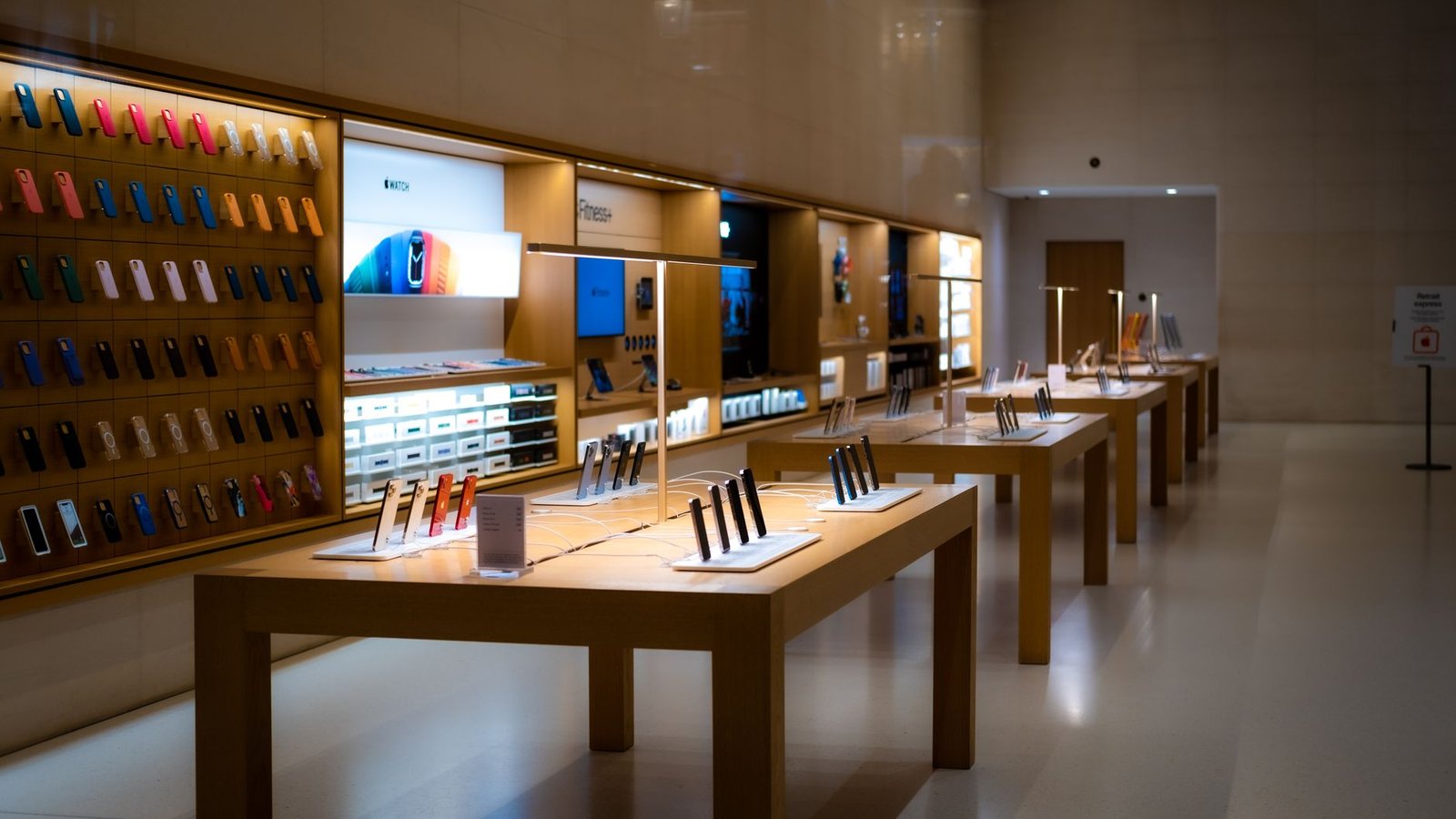
- The do-everything pick: the iPhone 17 Pro Max gives you the biggest screen, the best cameras, and Face ID, for hundreds less than the fold’s reported price. It is our default for anyone who wants a flagship today, and you can check the current price on Amazon.
- The value pick: the standard iPhone 17 covers the essentials at $799 and leaves plenty in the bank toward a gen-2 fold later.
- Protect the investment: whatever you choose, a slim protective case keeps resale value high for that future trade-in.
Prefer to scratch the folding itch now rather than wait for Apple? The best foldable phones you can actually buy today, led by Samsung’s latest Z Fold, are mature, well-supported, and often cheaper than Apple’s reported number. And if you are weighing any big gadget purchase this year, our breakdown of how to pick the right device and save hundreds runs through the same buy-now-or-wait math. When the time comes to switch, trading in your old iPhone can claw back a real chunk of the cost.
Our Verdict: Patience Is the Power Move Here
Apple’s first fold is a real achievement, and the near crease-free screen is the kind of thing that makes a launch genuinely fun to watch. But watching and buying are different decisions. Between the $2,000-plus entry, the Touch ID step back, and supply so tight it may sell out regardless, the first foldable iPhone reads like a beautiful, expensive first draft. Let someone else pay to proofread it. For almost everyone, gen 2 is where this phone becomes worth it.
Foldable iPhone FAQ
How much will the foldable iPhone cost?
Leaks from Ming-Chi Kuo and Bloomberg’s Mark Gurman point to a starting price of roughly $2,000 to $2,500, which would make it Apple’s most expensive iPhone ever. Treat exact figures as reported estimates until Apple confirms them.
When is the foldable iPhone coming out?
It is expected in September 2026 alongside the iPhone 18 Pro and 18 Pro Max, though reports suggest limited supply could push wide availability into late 2026 or early 2027.
Will the foldable iPhone have Face ID?
Reports say no. It is expected to use Touch ID, likely built into the side button, because the folding design reportedly leaves no clean home for the Face ID sensors.
Is the foldable iPhone really crease-free?
Multiple reports say Apple engineered a near crease-free inner display using a new hinge and display materials. It should be far better than existing foldables, but real-world durability over years of folding is still unproven.