

The iPhone 18 Pro vs 17 Pro question has a blunt answer for most people: if you bought a 17 Pro last year, keep your money. Apple’s newest Pro is genuinely faster and takes better photos, but the year over year jump is not something you will feel in daily use, and the upgrade runs you roughly $1,300 out the door once tax is added. That said, the story changes completely if you are holding an older phone. This breakdown gives you a clear verdict by exactly which iPhone you own now, so you either avoid an upgrade you will not notice or spend with confidence.
The quick answer
Most iPhone 17 Pro owners should skip the 18 Pro, because one generation of gains rarely justifies $1,300. If you are on a 15 Pro or older, upgrading is worth it, since three plus years of compounding improvements finally add up. Anyone on a 14 Pro, 13 Pro, or older should buy without overthinking it.
Want the reasoning behind each case? Jump to the verdict by which iPhone you own, see what actually changed first, or see the full comparison in the spec table.
What actually changed
Four things moved this year, and only some of them matter. Here is the honest split between the upgrades you would notice and the ones that live on a spec sheet.
The A20 Pro chip
The 18 Pro runs Apple’s new A20 Pro, its first iPhone chip built on TSMC’s 2nm process. In early Geekbench Browser results it posts a single core score around 4,719 and a multi core score near 12,575, versus roughly 3,771 and 9,955 for the A19 Pro inside the 17 Pro. The redesigned GPU is the headline, landing about 40 percent faster in graphics tests.
Those are real gains. They are also mostly invisible unless you play demanding games or edit ProRes video on the phone. Because the 17 Pro already handles everything the App Store throws at it, for typical use this is a difference you will read about rather than feel.
The variable aperture camera
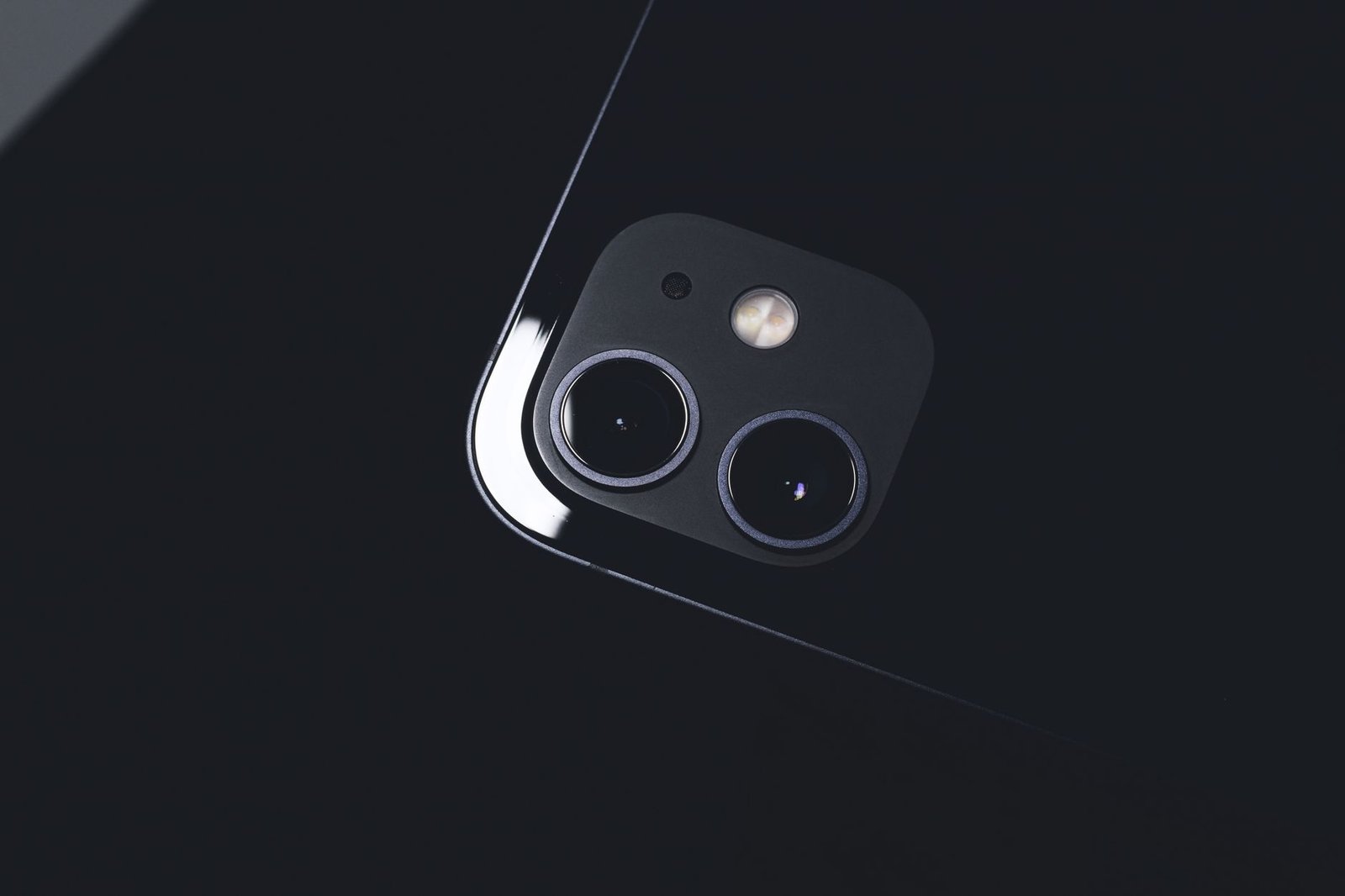
This is the one upgrade that can genuinely change your photos. The 18 Pro’s 48MP main camera adds a variable aperture that shifts between roughly f/1.48 and f/4, where the 17 Pro is locked at a fixed f/1.78. In plain terms, the lens physically opens wider in low light and stops down for sharper daytime detail and more natural depth control, rather than faking it all in software.
If you shoot a lot, especially in dim rooms or at night, this matters. For everyone who mostly snaps daylight photos of kids, food, and pets, the 17 Pro’s camera is still excellent and the gap narrows fast.
Battery and charging
Apple bumped rated video playback on the Pro from about 33 hours to 36, and fast charging now hits 50 percent in roughly 15 minutes with a 60W adapter, down from about 20. Both are welcome, neither is life changing. If your 17 Pro already lasts a full day, three extra hours on paper will not rewire your routine.
The stuff that barely moved
The display, the design language, the storage tiers, and the overall software experience are close enough to call a tie. This is not a redesign year. Instead, it is a refinement year with one strong camera story.
iPhone 18 Pro vs 17 Pro: the full comparison
Here are the numbers side by side, with exact benchmark figures below the chart.
| Spec | iPhone 17 Pro | iPhone 18 Pro |
|---|---|---|
| Chip | A19 Pro (3nm) | A20 Pro (2nm) |
| GPU performance | Baseline | About 40% faster |
| Main camera | 48MP, fixed f/1.78 | 48MP, variable f/1.48 to f/4 |
| Rated battery (video) | About 33 hrs | About 36 hrs |
| Fast charge to 50% | About 20 min | About 15 min (60W) |
| Starting price (256GB) | $1,099 | $1,199 |
The single biggest line on that table is the price. A $100 sticker increase becomes roughly $1,300 out the door after tax, and that number is the whole reason this decision deserves a second look.
Should you upgrade? A verdict by which iPhone you own
Generic upgrade advice ignores the only variable that matters: what you are upgrading from. So here is our verdict, model by model.
iPhone 17 Pro owners: skip. You have the A19 Pro, an excellent 48MP camera, and all day battery. Paying $1,300 for one refinement year, however good the new lens is, is money spent on a feeling of newness rather than a real gap in your day. Keep the phone and revisit in a year or two.
iPhone 16 Pro owners: mostly skip, lean stay. Two years in, the camera and chip gains start to look tempting, but they are still not urgent. If your battery health is fading, that is the more honest reason to move, not the spec sheet.
iPhone 15 Pro owners: lean upgrade. This is where the math flips. Three generations of camera, chip, battery, and charging improvements stack up into a phone that feels meaningfully different, and your resale or trade in value holds up well enough to soften the cost.
iPhone 14 Pro, 13 Pro, and older: upgrade. At this distance you gain years of camera quality, far better battery life, faster charging, and a chip built for the next decade of iOS. This is the clearest yes in the lineup.
The real cost of upgrading
The $100 price bump gets the headlines, but it hides the real figure. The 18 Pro starts at $1,199, and with sales tax most buyers land right around $1,300 before a single accessory. Add a good case and a screen protector and you are past it.
Framed as an annual expense, upgrading every year means spending roughly $1,300 to leapfrog a single generation of changes you have to squint to notice. Framed the other way, skipping this year keeps that $1,300 in your pocket and costs you almost nothing you would feel. That is the trade the title is pointing at, and for 17 Pro owners it is not close.
There is a bigger picture reason to be patient this fall, too. Apple staggered the release into two waves, and if the standard iPhone 18 matters to you, it is worth understanding why Apple split this year’s launch before you buy anything.
Where we land
For anyone comparing iPhone 18 Pro vs 17 Pro with an eye on their wallet, the verdict holds: the 18 Pro is the better phone, but “better” and “worth $1,300 right now” are not the same sentence. If you own a 17 Pro, wait. If you are on a 15 Pro or older, this is a good year to move. And if you want the exact specs behind the performance claims, Apple lists the full iPhone 18 Pro specs on its product page. Buy on the gap you will actually feel, not the one on the box.