
The Kindle vs Kobo 2026 decision usually gets framed as a screen showdown. It isn’t. Both brands now build their colour readers on the same Kaleido 3 E Ink panel, so the pixels are close to a wash. What actually decides it is quieter: whether your library card, your audiobook habit, and the book files you already own play nicely with the device in your bag. By the end of this guide you can pick the e-reader that matches how you already read, borrow, and listen, and skip the one that quietly locks you in.
The quick answer
For most readers, the Kindle Paperwhite is still the easiest pick: the biggest store, Audible on tap, and library ebooks that land on the device in a couple of steps.
Borrow from your public library every week, sideload your own EPUBs, or want colour for less money? The Kobo Libra Colour (or the cheaper Kobo Clara Colour) fits you better.
The full side-by-side comparison, plus the one case where each one loses, is below.
Some links in this article are affiliate links. If you buy through them, we may earn a small commission at no extra cost to you. Learn more.
As an Amazon Associate I earn from qualifying purchases.
Table of contents
- Kindle vs Kobo 2026: what actually matters
- The case for Kindle
- The case for Kobo
- The side-by-side comparison
- The library and audiobook trap most guides miss
- Which one should you actually buy?
- Key takeaways
- FAQ
- The final verdict
Kindle vs Kobo 2026: what actually matters
Start with what is genuinely settled. In 2026, the hardware race is basically a tie. The Kindle Paperwhite and the Kobo Libra Colour are both 7-inch readers with 300 PPI text, adjustable warm lighting, and waterproofing. Kobo’s colour models and Amazon’s Colorsoft use the same underlying colour layer, which renders text at 300 PPI and colour at roughly 150 PPI. Page turns feel a hair snappier on the Paperwhite, and Kobo answers with physical page-turn buttons. Call it even.
So if the glass is a draw, the real fight is over three things: your store and lock-in, your library borrowing, and your audiobooks. Those are the decision points, and this is where the two brands split hard.
The case for Kindle
Kindle wins on ecosystem gravity. The Amazon store is enormous, deals land often, and if you already own years of Kindle purchases, those books simply keep working. That continuity is worth real money, because a Kindle library does not transfer to Kobo.
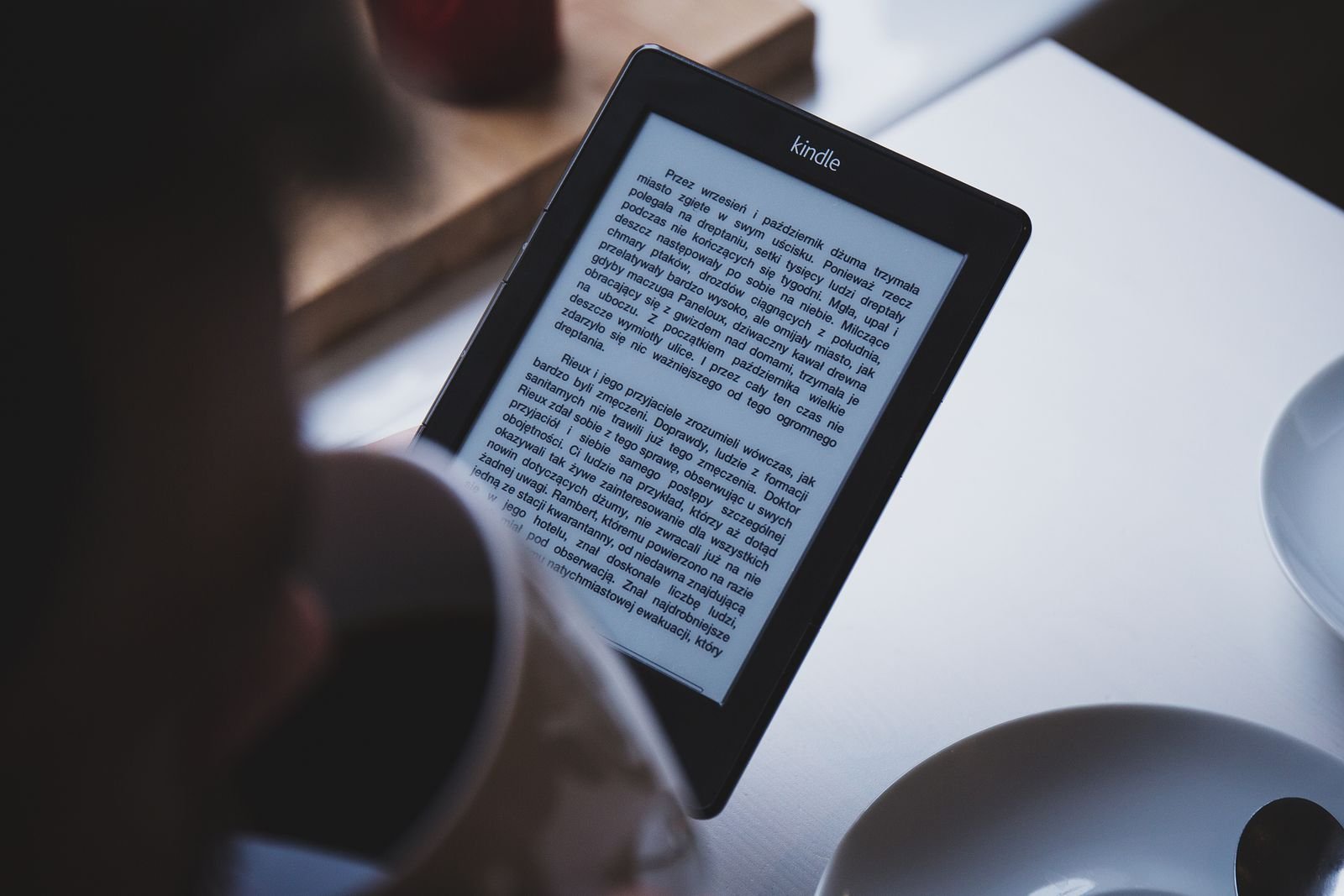
Audible is the other big lever. If you buy or subscribe to Audible, a Paperwhite Signature Edition streams those audiobooks straight to Bluetooth earbuds, no phone required. Amazon has also tightened its Read and Listen sync between Kindle ebooks and Audible narration. For an audiobook-heavy reader who is already in the Amazon world, that is hard to beat.
There is one honest catch on files. Kindle does not open EPUB natively. You can email EPUBs through Amazon’s Send to Kindle page and Amazon converts them, but only DRM-free files, and only after a conversion step. It works. It just isn’t seamless.
The case for Kobo
Kobo is the openness pick, and its Canadian roots show in how library-friendly it is. Public-library borrowing is built right into the device through OverDrive and Libby, so you browse, borrow, and download library ebooks without ever touching a computer. For a weekly library reader, that on-device flow is the whole ballgame.
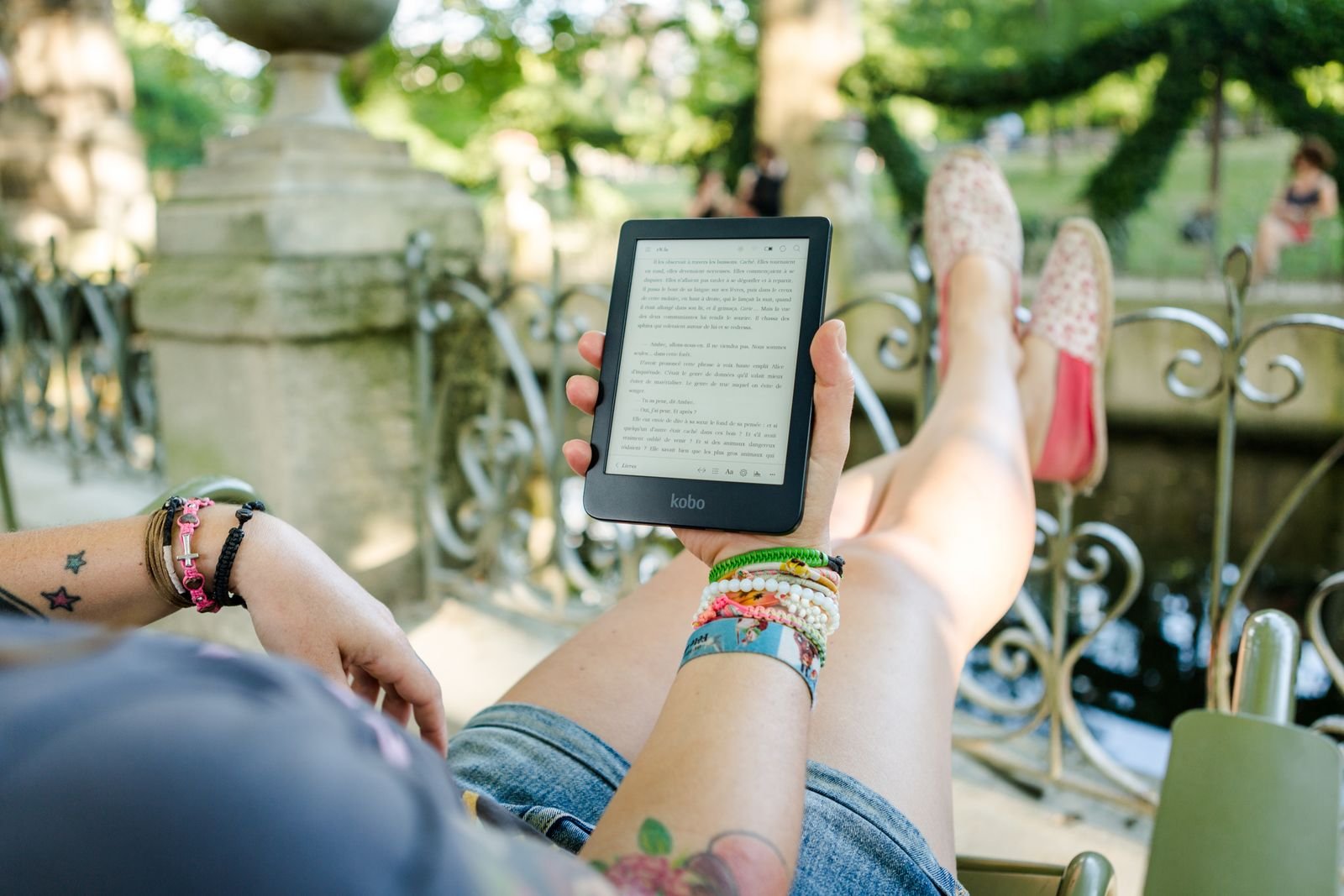
Files are the other strength. Kobo opens EPUB and KEPUB natively, handles PDFs, and connects to Dropbox, Google Drive, and Pocket for your own documents and saved articles. If you have a pile of DRM-free ebooks or you like sending long reads to your e-reader, Kobo just accepts them. You can confirm the current lineup on Rakuten Kobo’s official site.
Colour is where Kobo also undercuts Amazon. The Kobo Clara Colour brings a colour screen in at roughly $160, well under Amazon’s colour Kindle, and the Libra Colour adds page-turn buttons and a bigger screen around $230.
The side-by-side comparison
Here is the fast version. Prices shift with sales, so treat these as ballpark and check the current price before you buy.
| What matters | Kindle | Kobo |
|---|---|---|
| Entry price | Base Kindle around $110 (check price) | Kobo Clara BW / Colour from around $130 to $160 |
| Mid-tier pick | Paperwhite around $160 (check price), Signature around $200 | Libra Colour around $230 |
| Native EPUB | No (conversion only) | Yes |
| Library ebooks (Libby) | Yes, via app then send to device | Yes, built into the device |
| Library audiobooks (Libby) | No | No |
| Store audiobooks | Audible (Bluetooth) | Kobo Store / Kobo Plus (Bluetooth) |
| Colour models | Colorsoft (premium) | Clara Colour, Libra Colour (cheaper) |
| Your old purchases | Locked to Amazon | Locked to Kobo |
The library and audiobook trap most guides miss
This is the part almost every comparison gets fuzzy about, so read it carefully. “Kobo does library” is true, but only for ebooks. Libby and OverDrive audiobooks are not supported on Kobo e-readers. You can borrow a library audiobook, but you will listen on your phone, not on the Kobo itself.
And here is the twist that catches people: neither device plays library audiobooks locally. On a Kindle, “audiobooks” means Audible. On a Kobo, it means audiobooks bought from the Kobo Store or a Kobo Plus subscription. So if your listening is mostly free library audiobooks through Libby, the e-reader choice barely matters for that habit, because your phone is doing the work either way.
Whichever way you go, an audiobook habit means you will want a set of Bluetooth headphones that won’t cost a fortune paired to the device. That, not the store logo, is what makes on-the-go listening pleasant.
Which one should you actually buy?
Skip the spec sheet and match yourself to a line below.
- You borrow ebooks from your library most weeks: get a Kobo. On-device Libby is the single best reason to switch, and it will save you real money on books.
- You live in Audible or already own a big Kindle library: get a Kindle Paperwhite (Signature if you want Bluetooth audiobooks and wireless charging). Fighting your own back catalogue is not worth it.
- You want colour and hate the premium price: get the Kobo Clara Colour around $160, or step up to the Libra Colour for page-turn buttons.
- You sideload your own EPUBs, PDFs, or Pocket articles: get a Kobo. Native EPUB and cloud syncing remove all the friction.
- You just want the simplest, most popular reader and you don’t borrow much: get the base Kindle or Paperwhite and move on.
If you travel with your reader, both sip battery for weeks, so you rarely need to top up. When you do, keep a small power bank in the bag and mind the same USB-C cable questions that trip people up, because a slow cable makes any device feel worse than it is.
Key takeaways
- The screens are effectively tied in 2026, so buy on ecosystem, not pixels.
- Kobo is the winner for library ebooks (built-in Libby), native EPUB, and cheaper colour.
- Kindle is the winner for the biggest store, Audible, and protecting years of past purchases.
- Neither e-reader plays library audiobooks on the device itself, a detail most guides skip.
- Your existing books do not move between the two, so the safer pick is often the one you already own.
FAQ
Does the Kindle support EPUB in 2026? Not directly. Kindle e-readers do not open EPUB files natively, but Amazon’s Send to Kindle service accepts DRM-free EPUBs and converts them for you. Kobo, by contrast, reads EPUB natively.
Can I borrow library books on both Kindle and Kobo? Yes for ebooks. Kobo has Libby and OverDrive built into the device, while Kindle routes library ebooks through the Libby app and sends them to your Kindle. Library audiobooks are not supported on the Kobo device and are not native on Kindle either.
Which is cheaper, Kindle or Kobo? Kindle has the lowest entry price with the base model around $110. Kobo tends to win on cheaper colour, with the Clara Colour near $160 versus Amazon’s pricier colour Kindle.
Can I move my Kindle books to a Kobo? Not cleanly. Purchases are tied to each store, so switching brands means leaving your existing library behind. This is the biggest reason long-time owners stay put.
Is the Kobo Libra Colour better than the Kindle Paperwhite? It depends on you. The Libra Colour adds colour, page-turn buttons, native EPUB, and on-device library borrowing. The Paperwhite is a touch faster and connects you to Audible and the larger Amazon store.
Do I need the colour model? Only if you read comics, kids’ books, or highlight in colour. For plain novels, a sharp monochrome Paperwhite or Kobo Clara BW looks better and costs less.
The final verdict
The Kindle vs Kobo 2026 choice really comes down to one honest question: where do your books and audiobooks already live? If that answer is Amazon and Audible, the Kindle Paperwhite keeps everything working with the least fuss. If your reading runs on a library card, sideloaded EPUBs, or a tighter colour budget, the Kobo Libra Colour or Clara Colour fits your life better and often saves you money on books. Pick the ecosystem, and the right device follows.