

Modern robot vacuum spec sheets read like a fighter-jet manual: LiDAR turrets, 35,000 Pa suction, AI obstacle avoidance, self-empty docks, hot-water mop washing, robotic arms that lift furniture. The pitch is that you need all of it. You don’t. This guide sorts the robot vacuum features worth it in 2026 from the ones that just pad the price, so you can buy the right machine without overpaying for hardware you’ll never use. By the end you’ll know exactly which specs to prioritize in the $400 to $900 sweet spot, which to ignore, and which model to actually add to cart.
The quick answer
Buy for three things: LiDAR navigation (now standard, even under $300), a self-emptying dock (a genuine quality-of-life upgrade for most homes), and AI obstacle avoidance (only if you have pets or a cluttered floor). Skip the suction-number arms race above roughly 10,000 Pa and treat mop-wash docks as a nice-to-have, not a need.
Our overall value pick is the Roborock Qrevo S Pro. Why those three features win, and where the real cutoffs sit, is below. (See the full comparison further down.)
Some links in this article are affiliate links. If you buy through them, we may earn a small commission at no extra cost to you. Learn more.
As an Amazon Associate I earn from qualifying purchases.
On this page
- The robot vacuum features worth it (start here)
- The features to skip or stop overpaying for
- How much suction do you actually need
- The $400 to $900 sweet spot, side by side
- Our top picks by budget
- When to buy: timing it around Prime Day
- Robot vacuum questions people actually ask
The robot vacuum features worth it (start here)
Here is the short list that actually changes your day-to-day experience. Everything else is secondary.
LiDAR navigation: yes, at any price
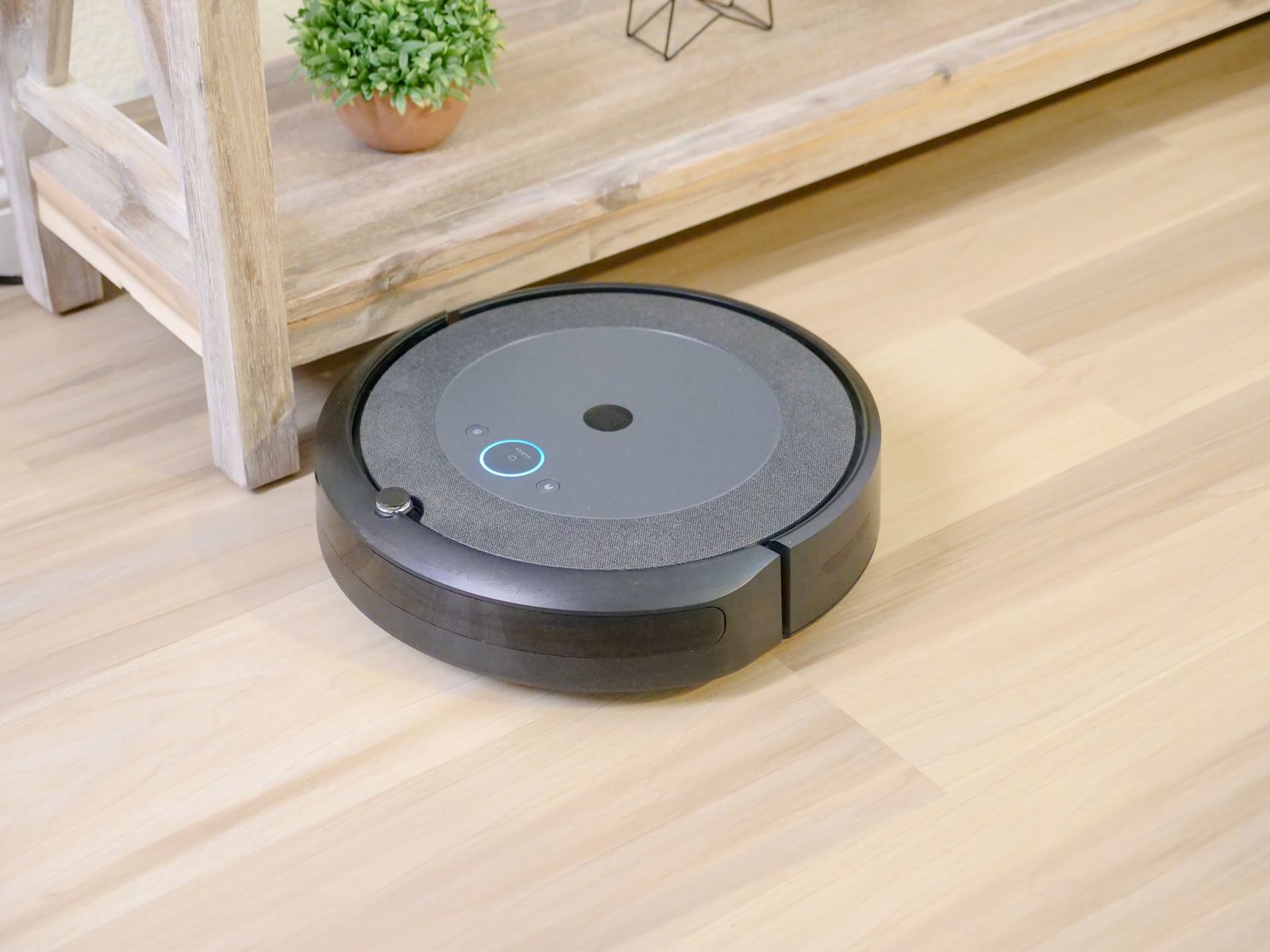
A few years ago, LiDAR mapping was a premium flex. In 2026 it shows up in models under $300, and it is the single feature that most affects how well a robot cleans. LiDAR builds a real map of your home, cleans in efficient rows instead of random ping-pong, works in the dark, and lets you set no-go zones in the app.
The alternative, bumper-only or gyroscope navigation, still exists on the cheapest bots. It bumps around semi-blindly, misses spots, and takes longer. Because LiDAR is now cheap, there is no good reason to buy a bumper-only vacuum in 2026. That single line settles the “lidar vs bumper robot vacuum” debate for almost everyone.
A self-emptying dock: worth it for most homes
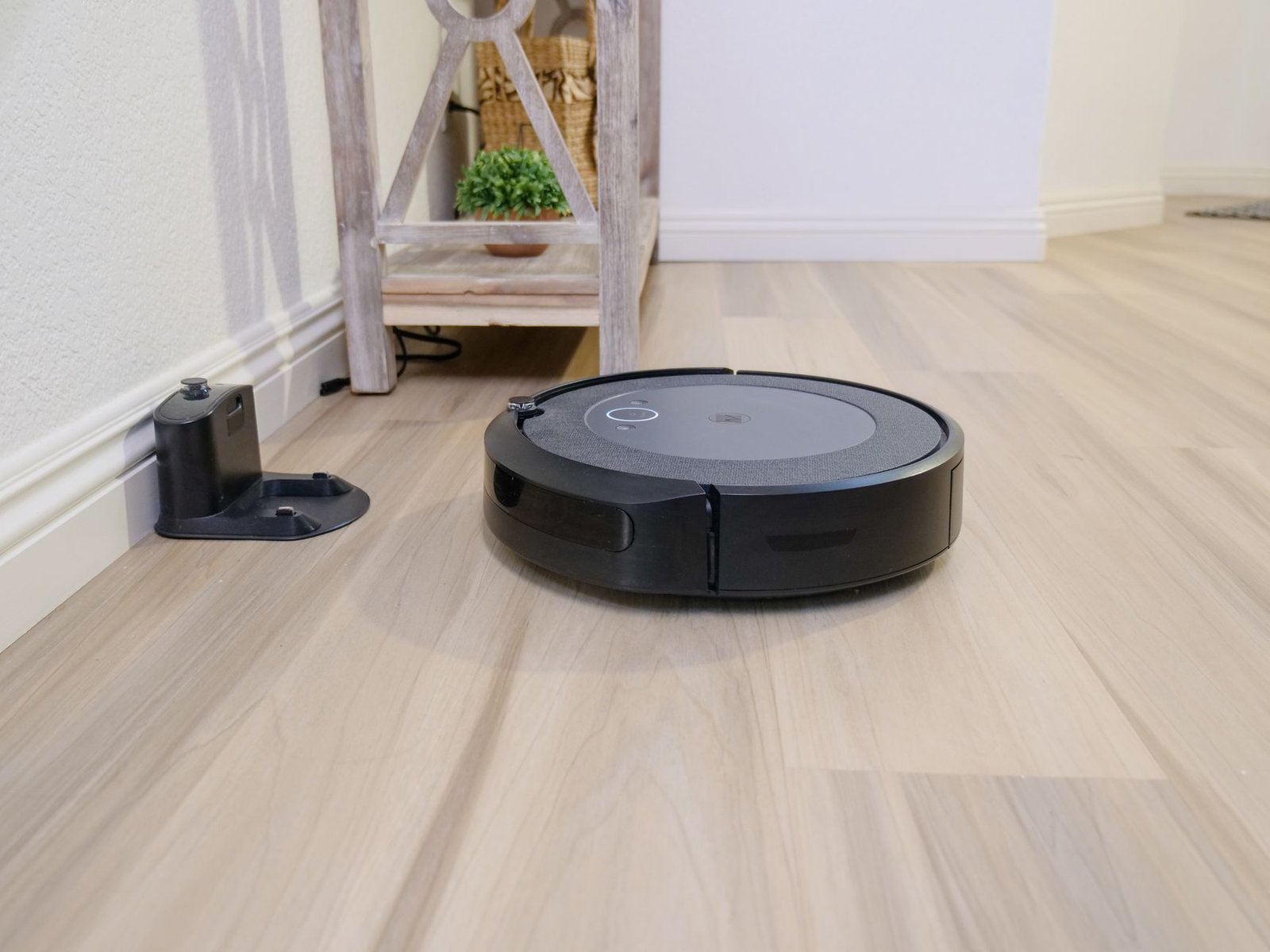
A self-emptying dock empties the robot’s small onboard bin into a larger bag in the base, so you go from emptying a dustbin every day or two to swapping a bag every couple of months. In practice, the better docks hold 2.4 to 2.7 liters and run seven to nine weeks between changes.
Is a self-emptying dock worth it? For most people, yes. The honest cutoff: if you have pets, allergies, or more than one floor of hard surfaces, the dock pays for itself in sanity. If you live in a small apartment and don’t mind a ten-second daily empty, you can save real money by skipping it. That trade-off, and the exact price gap, is covered in the sweet-spot section.
AI obstacle avoidance: worth it if you have pets or clutter
AI obstacle avoidance uses a camera and machine learning to recognize objects, so the robot steers around cords, socks, and (crucially) pet accidents instead of plowing through them. Reviewers consistently rank the iRobot Roomba j7 line as the most reliable at spotting pet waste, and iRobot backs it with its Pet Owner Official Promise: if a covered model runs over solid pet waste in its first year, they replace it.
If your floors are clear and pet-free, though, this feature is optional. Basic LiDAR already dodges walls and furniture fine. Pay for AI avoidance when your floor is a minefield, not just because the box says “AI.”
Anti-tangle brushes: the quiet MVP
Long hair wrapped around a brush roll is the number-one reason robot vacuums stop working well. Anti-tangle roller designs (Roborock’s DuoRoller, Dreame’s DuoDivide) genuinely reduce that maintenance. It rarely headlines the marketing, but for anyone with long hair or pets, it belongs on the “worth it” list.
The features to skip or stop overpaying for
Now the fun part: where the money leaks out.
Suction-number bragging rights. Marketing has turned Pa (a pressure unit) into a horsepower war. The problem is that real-world pickup flattens out fast. Independent testers, including the lab team at RTINGS, repeatedly find that dock design, brush quality, and navigation matter more than whether a bot claims 18,500 or 35,000 Pa. More on the actual cutoff below.
Hot-water mop-wash and self-drying stations. These are genuinely nice if you have a lot of hard flooring and want a hands-off mop. But they add cost and countertop-sized docks. If you have mostly carpet, or you’d mop the tricky spots yourself anyway, this is the easiest place to save $200 or more.
CES gimmicks. The 2026 show floor was full of robots with legs, robots that convert into handheld vacuums, and robots with arms that pick up socks. Fun to watch, not ready to trust. Let early adopters pay to beta-test them.
Voice assistants baked into the vacuum. You already own a phone and probably a smart speaker. A robot that talks is a novelty, not a reason to spend more.
How much suction do you actually need
Short version: for most homes, anything from roughly 8,000 to 10,000 Pa handles everyday dust, crumbs, and pet hair on hard floors and low-pile carpet. Above that, you are mostly buying a bigger number.
The chart below plots suction across three real 2026 models, one per price tier. Notice how the figure roughly triples from budget to premium while real-world cleaning gains are modest. That gap is the marketing.
The $400 to $900 sweet spot, side by side
This is the range where you get the features that matter (LiDAR, self-empty, anti-tangle, often decent obstacle avoidance) without the premium-tier tax. Here is how a few standouts compare. Prices move constantly, so check the live number rather than trusting a printed one.
| Model | Navigation | Suction | Dock | Best for | Price |
|---|---|---|---|---|---|
| Roborock Q7 M5+ | LiDAR | ~10,000 Pa | Self-empty | Budget buyers who still want LiDAR and auto-empty | Check current price |
| Roborock Qrevo S Pro | LiDAR plus obstacle avoidance | ~18,500 Pa | Self-empty plus mop wash | Best all-round value in the sweet spot | Check current price |
| Roborock Qrevo 2 Pro | LiDAR plus obstacle avoidance | ~20,000 Pa | Self-empty plus FlexiArm edge mop | Bigger homes wanting better edge mopping | Check current price |
| iRobot Roomba j7+ | Camera plus AI avoidance | Not published as Pa | Self-empty | Pet homes needing the best waste avoidance | Check current price |
Here is the concrete cost math that most guides skip. The basic Roborock Qrevo has sold around $400 with a simple auto-empty dock. The Qrevo S Pro, with the mop-wash dock and stronger suction, carries about a $700 list price. That roughly $300 gap is the “premium dock” tax, laid bare. Decide whether hands-off mopping is worth it to you before you pay it.
Our top picks by budget
Best overall value: Roborock Qrevo S Pro. It nails the trio that matters (LiDAR, obstacle avoidance, self-empty plus mop wash) and lands squarely in the sweet spot when it’s on sale. For most buyers, this is the one to get.
Best budget pick under $300: Roborock Q7 M5+. Real LiDAR mapping, 10,000 Pa, and a self-emptying dock for under $300 was almost unthinkable a year ago. If you want the worth-it features and none of the premium tax, start here. The Eufy L60 is a strong LiDAR alternative if you can skip the auto-empty dock.
Best for pet chaos: iRobot Roomba j7+. If cords, toys, and the occasional accident litter your floors, the j7+’s obstacle avoidance and P.O.O.P. guarantee are worth the premium over pure-suction rivals.
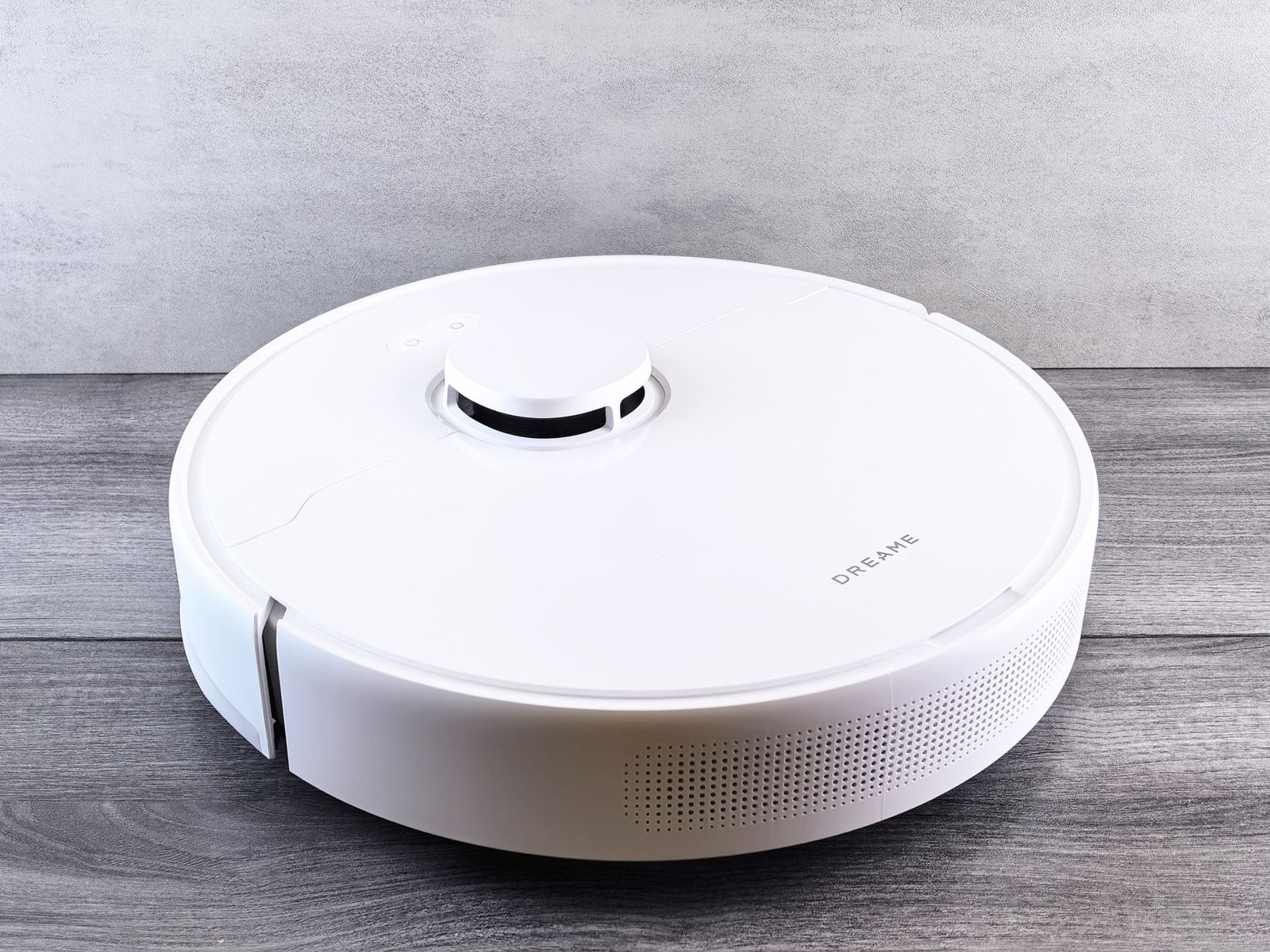
Want more suction on paper? The Dreame X60 Max Ultra pushes 35,000 Pa, but as the chart shows, you are paying for a headline more than a cleaner floor.
When to buy: timing it around Prime Day
Robot vacuums are one of the most heavily discounted categories during Prime Big Deal Days, and prices swing by hundreds of dollars. The Qrevo S Pro, for example, has dropped from a roughly $700 list to around $450 during sales events. If you can wait for an event, wait.
For the wider buy-now versus hold-for-Black-Friday call across gadgets, see our Prime Big Deal Days 2026 buying guide on what to grab now and what to wait for. It maps out which categories drop hardest and when.
Robot vacuum questions people actually ask
Is LiDAR or a bumper robot vacuum better? LiDAR, and it isn’t close in 2026. It maps your home, cleans efficiently, and now costs under $300. Buy bumper-only navigation only if price is the single deciding factor.
Is a self-emptying dock worth it? For pet owners, allergy sufferers, and multi-room homes, yes: you go from daily emptying to a bag swap every couple of months. In a tiny apartment, it’s a skippable luxury.
How much suction do I need? Roughly 8,000 to 10,000 Pa covers everyday cleaning. Higher numbers rarely translate to a visibly cleaner floor.
Robot vacuum or a cordless stick vacuum? They solve different problems. A robot handles daily maintenance; a stick handles deep and spot cleaning. Many homes end up keeping both.
The short version before you buy
Buy LiDAR at any budget, add a self-empty dock if you have pets or a bigger home, and pay for AI obstacle avoidance only when your floors are cluttered. Ignore the suction arms race and treat mop-wash docks as optional. Do that, and you’ll spend somewhere between $400 and $900 for a robot that actually earns its keep, instead of $1,500 for a spec sheet.