
Shopping for the best dash cam 2026 has to offer, you will notice every spec sheet screaming the same thing: 4K, 4K, 4K. Here is the uncomfortable truth. The feature that actually holds up in an insurance claim is not the one most buyers check first. Resolution helps, of course. But an adjuster does not throw out your footage because it was 2K instead of 4K. They throw it out because the timestamp is wrong, the GPS data is missing, or the camera was fast asleep when your parked car got clipped in a lot.
This guide fixes that. We break down what a claims adjuster actually looks for, then match it to real cameras you can buy right now.
The quick answer
Best overall for evidence: VIOFO A229 Pro. Sharp 4K, rock-solid GPS and timestamp, buffered parking mode. It captures the details that survive a dispute. Full reasoning below.
Best budget pick that still holds up: VIOFO A119 Mini 2. Tiny, discreet, buffered parking mode on a supercapacitor. More on why cheap does not mean flimsy further down.
Best for a road trip: 70mai A810. Built-in GPS that maps your whole route with a speed overlay. Why that matters, below.
Some links in this article are affiliate links. If you buy through them, we may earn a small commission at no extra cost to you. Learn more.
As an Amazon Associate I earn from qualifying purchases.
Table of contents
- The feature that actually holds up in a claim
- How we picked
- Best overall for insurance evidence: VIOFO A229 Pro
- Best budget pick that still holds up: VIOFO A119 Mini 2
- Best dash cam for a road trip: 70mai A810
- How our picks compare
- Parking mode: the part everyone gets wrong
- Make sure your footage counts as evidence
- Key takeaways
- FAQ
- The bottom line
The feature that actually holds up in a claim
Let us be blunt about how a dash cam insurance claim really plays out. Your adjuster is not judging cinematography. They are asking one question: can I trust that this video shows what it claims, when and where it claims?
That trust comes from four things, and only one of them is resolution.
1. A visible, accurate timestamp and date. If the clock drifts or resets, the footage gets easy to challenge. GPS-synced time fixes this automatically.
2. Embedded GPS data. Good cameras stamp location and speed into the file itself. Satellite-verified speed is actually more credible than a car’s speedometer, because it is independent of a mechanical gauge. Adjusters and courts lean on this to authenticate a clip.
3. Buffered loop recording that locks the clip on impact. Dash cams record in a loop, overwriting old footage. Without a pre-crash buffer, the seconds right before a collision (the part that proves fault) can vanish. Buffered recording holds those seconds and seals the clip when the g-sensor fires.
4. Reliable parking-mode power. Roughly a quarter of claims start in a parking lot, not on the road. A camera that shuts off with the ignition captures none of it.
Here is the contrarian bit. A modest 2K camera that nails all four of these will out-perform a flashy 4K camera that misses two of them, every single time a claim is contested. Resolution is the feature people check first. It should be the fourth thing you check, not the first.
How we picked
We do not pretend to have bolted every camera to a bumper for a month. What we do is dig into the spec sheets, the sensor hardware, real owner reports, and independent testing roundups, then vet each pick against the four-point evidence checklist above. Sensor quality matters (we favored Sony STARVIS 2 units for night plates), but stable parking power and clean metadata carried more weight than raw megapixels.
Every pick below is currently sold in 2026 and supports GPS, buffered parking mode, and a proper hardwire setup.
Best overall for insurance evidence: VIOFO A229 Pro
Who it is for: Anyone who wants the best odds that their footage survives a dispute, front and back.
The A229 Pro pairs dual Sony STARVIS 2 sensors (8MP front, 5MP rear) for genuine 4K + 2K HDR capture, and it reads license plates cleanly in the dark, which is where most cheap cameras fall apart. More importantly for a claim, it stamps GPS location, satellite-synced time, and speed into every file, and its buffered parking mode saves 15 seconds before an event and 30 after. That pre-event buffer is the difference between “here is the whole thing” and “here is what happened after the crash.”
Pros:
- Excellent night plate capture (STARVIS 2 + HDR)
- Buffered parking mode with auto event detection
- Solid GPS, timestamp, and speed metadata
- Front, rear, and optional interior channels
Cons:
- The hardwire kit for parking mode is a separate purchase
- Priced above budget models (worth it if evidence is the goal)
Check the VIOFO’s official spec page if you want the deep hardware detail.
Best budget pick that still holds up: VIOFO A119 Mini 2
Who it is for: The buyer who wants real evidence-grade footage without the flagship price, or who wants something discreet.
Do not read “budget” as “flimsy.” The A119 Mini 2 runs the same STARVIS 2 sensor family, shoots crisp 2K at 60fps, and includes buffered parking mode (15 seconds before, 30 after) on a supercapacitor rather than a lithium battery. That supercapacitor detail matters if your car bakes in a hot lot, because it handles heat far better than a battery over the long haul. GPS and timestamp are built in.
Pros:
- STARVIS 2 sensor and buffered parking mode at a low price
- Supercapacitor tolerates heat well
- Small and discreet behind the mirror
Cons:
- 2K, not 4K (plenty for plates, less future-proof)
- Hardwire kit needed for continuous parking recording
Best dash cam for a road trip: 70mai A810
Who it is for: Long-haul drivers who want their whole route documented, cleanly and cheaply.
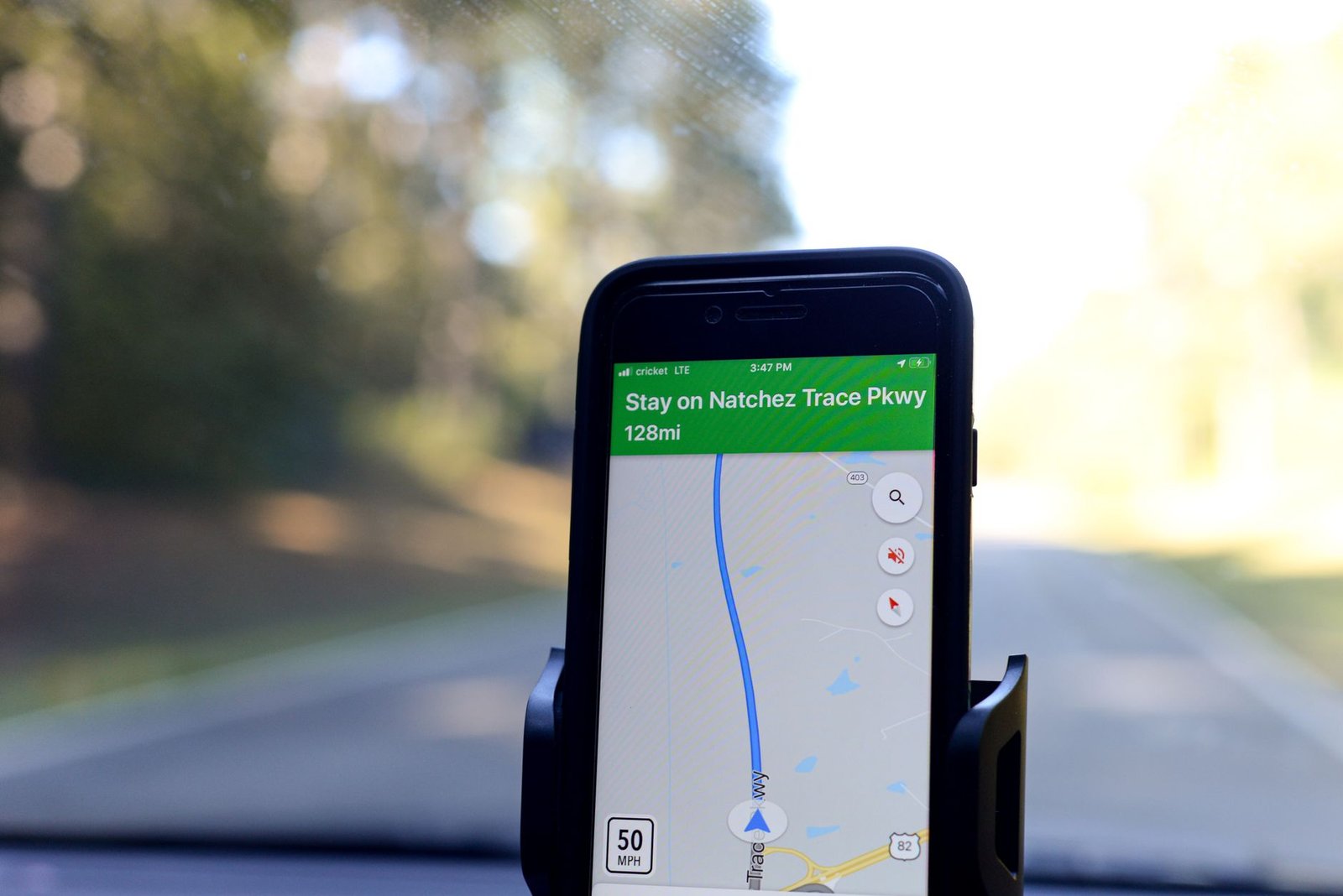
A dash cam for road trip duty has one extra job: it should log where you were, not just what you saw. The 70mai A810 shoots 4K HDR up front and, crucially, has GPS built in with no external module. Its app records your entire route on a map with a speed overlay, so if something goes wrong three provinces from home, you have a clean, timestamped trail of exactly where and how fast you were traveling. That is gold in a contested out-of-town claim.
Pack it alongside a good set of noise cancelling headphones under $100 for the passengers, and the long stretches get a lot more bearable.
Pros:
- Built-in GPS with route-and-speed mapping
- 4K front with strong value
- Simple, well-reviewed app
Cons:
- Rear coverage is lower resolution
- Fewer channels than the flagship VIOFO
Two others worth a look without the hard sell: the REDTIGER F17 Elite is a strong three-channel option with a low-voltage cutoff and hardwire kit included (check its current price), and the Nextbase iQ leads on cloud connectivity if you accept its subscription.
How our picks compare
| Model | Best for | Front resolution | Parking mode | GPS + timestamp | Parking power |
|---|---|---|---|---|---|
| VIOFO A229 Pro | Best evidence, front + rear | 4K (STARVIS 2) | Buffered, auto event | Yes | Hardwire kit (separate) |
| VIOFO A119 Mini 2 | Budget that still holds up | 2K/1440p 60fps | Buffered | Yes | Hardwire kit (supercap) |
| 70mai A810 | Road trips | 4K HDR | Yes | Yes (route map) | Hardwire kit |
| REDTIGER F17 Elite | 3-channel value | 4K, 3-channel | 24h coverage | Yes | Low-voltage cutoff, kit included |
*Prices shift constantly, so use the “check current price” links rather than trusting a number that will be stale by next week.*
Parking mode: the part everyone gets wrong
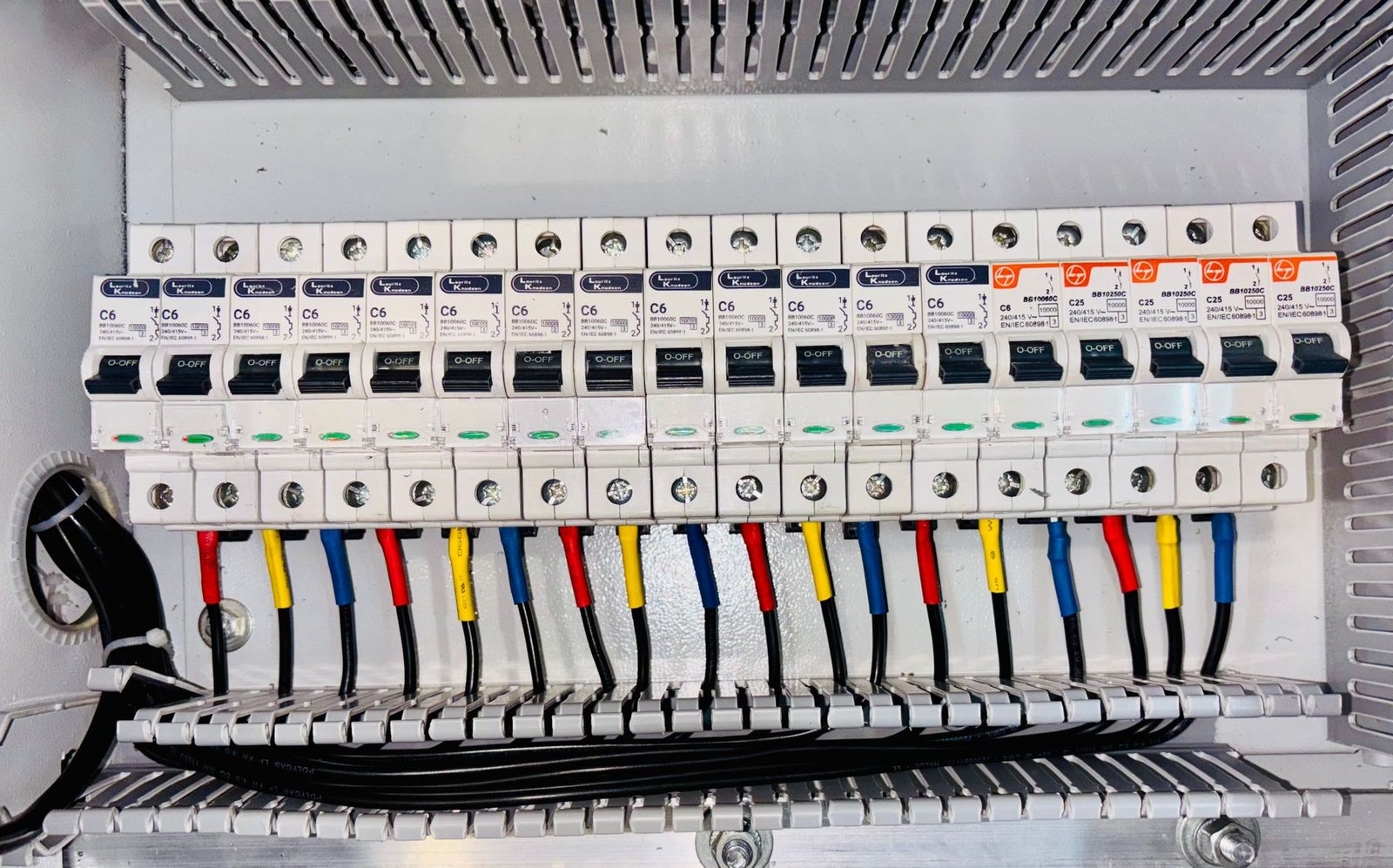
Most buyers think parking mode is a toggle. It is really a power question, and getting it wrong is why so many parking-lot claims die.
To record while parked, the camera needs constant power after the ignition is off. That means a hardwire kit tapped into your fuse box, ideally with a low-voltage cutoff so the camera stops before it drains your starter battery. Skip the hardwire kit, and your “parking mode” camera is simply off the moment you walk away. This is also why cable and power quality matter more than people assume, the same reason cheap charging cables behave so differently than good ones.
Now the cost math, because this is where the decision gets easy. A hardwire kit costs a small fraction of a single insurance deductible. A parking-lot hit-and-run that you cannot prove costs you that whole deductible, plus the years of higher premiums that follow an unresolved claim. Spending a little on stable parking power is one of the cheapest insurance bets you will ever make.
Make sure your footage counts as evidence
Buying the right camera is half the job. Handling the footage is the other half, and it is easy to fumble.
The golden rule: never edit the original file, and never screen-record it off your phone to text it in. Both strip or alter the embedded GPS and timestamp metadata, which is exactly what makes footage trustworthy. Submit the original clip, straight from the SD card.
When it is time to file, send the video to your own insurer, not to any agency. Assemble it with your photos and the police report as one tidy packet (our free merge PDF tool can staple those documents together), and let the adjuster work from the original. Clean file, clear metadata, no edits: that is footage that holds up.
Key takeaways
- For a dash cam insurance claim, metadata beats megapixels. Prioritize visible timestamp, embedded GPS, and buffered parking mode over raw 4K.
- Buffered recording captures the seconds before impact, which is often the part that proves fault.
- Parking mode only works if the camera is hardwired for constant power. A low-voltage cutoff protects your car battery.
- The VIOFO A229 Pro is our overall pick for evidence, the A119 Mini 2 is the budget choice that still holds up, and the 70mai A810 is the road-trip pick.
- Never edit or screen-record footage. Submit the original file to your insurer.
FAQ
Does dash cam footage actually help with an insurance claim? Yes. Insurers widely accept video evidence and often resolve claims faster with it, provided the footage is an unedited original with intact timestamp and GPS data.
Do I need to tell my insurer I have a dash cam? Policies vary, so ask your own insurer directly. Some offer a small discount for having one, and disclosing it upfront avoids questions later.
Is 4K worth it, or is 2K enough? For reading plates and proving fault, a good 2K camera with STARVIS 2 is plenty. Step up to 4K if you want more cropping room and future-proofing, not because 2K will lose you a claim.
Will parking mode drain my car battery? It can, if hardwired without protection. Choose a camera or kit with a low-voltage cutoff, which stops recording before your battery drops too low to start the car.
Can I use footage from a road trip in another region? Generally yes, which is why route-mapping GPS (like the 70mai A810’s) is so useful far from home. Keep the original file and pair it with any police report from that location.
The bottom line
The best dash cam 2026 for you is the one whose footage an adjuster cannot wave away. That means clean GPS and timestamp data, buffered recording that catches the moment before impact, and parking mode that is actually powered. Get those right and the resolution number takes care of itself.
If you want one camera to cover you front, back, and parked, the VIOFO A229 Pro is the pick. On a tighter budget, the A119 Mini 2 holds up. For the long road, the 70mai A810 maps every mile. Whichever you choose, hardwire it, leave the footage untouched, and you will have evidence that stands.
For more on gear that quietly earns its place, browse the rest of our everyday-gadget guides.