
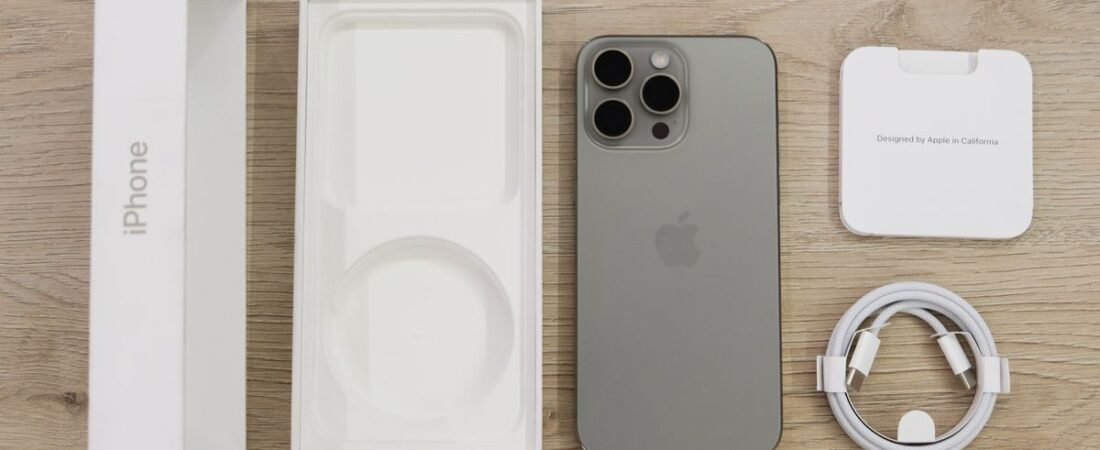
There’s no iPhone 18 this year, and that isn’t a leak you missed or a delay Apple is hiding. It’s a deliberate split. According to pre-event reporting, the expensive half of the line (the iPhone 18 Pro, the Pro Max, and Apple’s first foldable iPhone) arrives at the September 9 event, while the affordable regular iPhone 18 and the iPhone 18e are reported to slip to spring 2027. By the end of this piece, you’ll know whether to buy an iPhone this fall or hold out for the cheaper model next year, and roughly what that wait costs you.
Quick heads-up on accuracy: Apple has confirmed the September 9 keynote, but the split-launch lineup below comes from reporting and rumor, not an Apple press release. We’ll flag what’s confirmed versus reported as we go.
Some links in this article are affiliate links. If you buy through them, we may earn a small commission at no extra cost to you. Learn more.
As an Amazon Associate I earn from qualifying purchases.
On this page
- What Apple is actually launching this fall
- When the affordable iPhone 18 actually arrives
- Why there’s no iPhone 18 this year (the real reason)
- Should you buy now or wait for spring 2027?
- The catch most guides skip
- So, buy now or wait?
What Apple is actually launching this fall
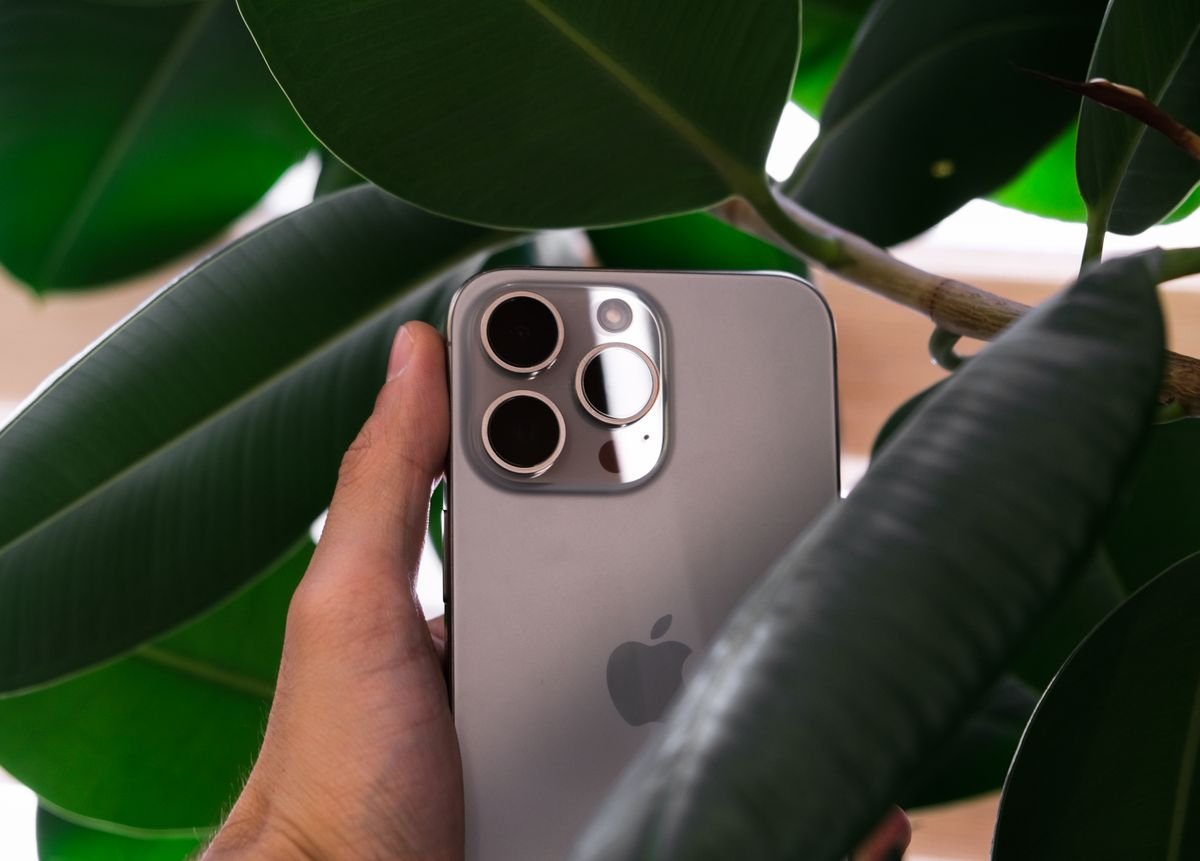
For years, September meant the whole iPhone family showed up at once. This year breaks that pattern. Instead of four new phones on one stage, the fall 2026 event is reported to feature only the premium tier:
- iPhone 18 Pro and iPhone 18 Pro Max, the high-end models that usually anchor the launch.
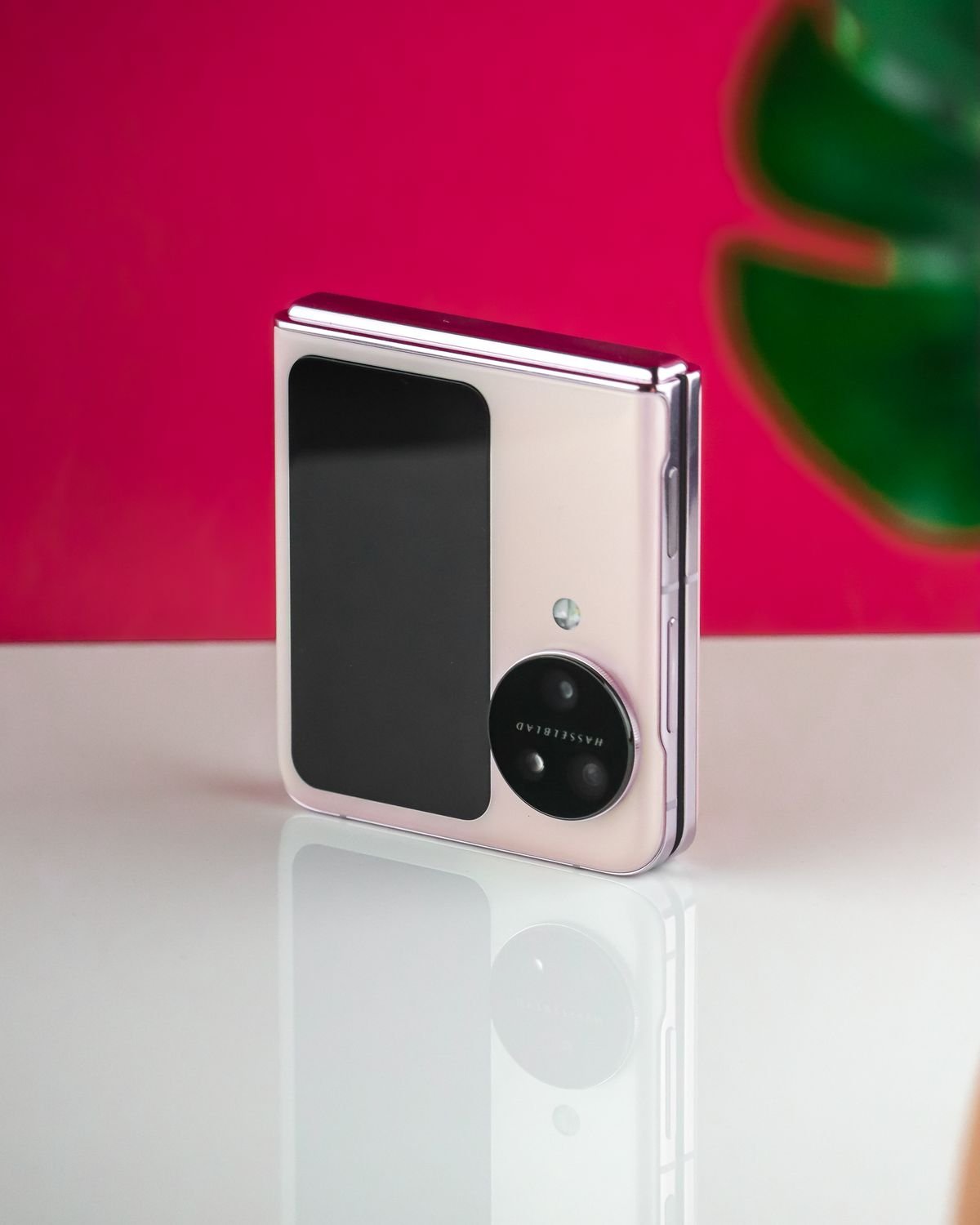
- Apple’s first foldable iPhone, widely reported but not yet officially named (you’ll see it called the “iPhone Fold” and, in some reports, an “Ultra”). Bloomberg’s Mark Gurman reported that its price will cross the $2,000 threshold. If that headliner tempts you, it’s worth reading whether a first-generation foldable is actually worth buying before you commit, because the short version is that most people should wait for gen two.
So the cheapest brand-new phone Apple shows off this fall is a Pro. For context, today’s iPhone 17 Pro starts around $1,099, and the iPhone 18 Pro is expected in that neighborhood or higher (exact pricing is unconfirmed). In other words, the entry point to the newest iPhone just got a lot more expensive, at least until spring.
When the affordable iPhone 18 actually arrives
Here’s the part you came for. The standard, wallet-friendly models are reported to land in spring 2027, not this September. That group includes:
- The regular iPhone 18, the mainstream, non-Pro model most people actually buy.
- The iPhone 18e, Apple’s budget “e” model that trades a few components for a lower price.
- A second-generation iPhone Air, the thin model that debuted in the previous cycle.
One honest caveat: reporting says “spring 2027,” but no one has a confirmed on-sale date yet. Spring at Apple has historically meant somewhere between February and April, so plan for a wait of roughly six months from now, give or take.
That gap is the whole story. If your heart was set on the “normal” iPhone 18 at a normal price, it simply isn’t part of this fall’s event.
Why there’s no iPhone 18 this year (the real reason)
The reason there’s no iPhone 18 this year is refreshingly simple: money, and specifically the timing of it.
By putting only the Pro models and the foldable on the fall stage, Apple funnels every holiday-quarter upgrader toward its highest-margin phones. If you want the newest iPhone during the biggest shopping season of the year, your choices are a Pro, the pricey foldable, or a leftover model from the current lineup. The affordable option that would normally tempt buyers away from the Pro? It’s parked until spring.
Analysts have made this point bluntly, arguing the staggered calendar is designed to lift Apple’s average selling price during the crucial holiday window. Our read of the reporting lands in the same place: this is a revenue-timing move dressed up as a product-calendar change, and it works because the foldable gives the fall event a genuine headliner.
Should you buy now or wait for spring 2027?
This is where a plan beats a hunch. Instead of “wait if you like saving money,” here are real cut-offs.
Buy an iPhone this fall if
- Your current phone is dying or already dead. A cracked screen or a battery that quits by lunch isn’t worth babying for six months. Grab a current iPhone now and move on.
- You need it as a holiday gift. Spring models won’t exist in a December box. If someone’s getting an iPhone under the tree, it’s a fall decision, full stop.
- You genuinely want Pro features (the best cameras, the ProMotion display, the extra storage tiers) and the price doesn’t change your plans.
- The foldable is the whole point for you. It’s only coming this fall, so waiting gains you nothing.
Money-saving tip for this group: you do not have to buy the iPhone 18 Pro to buy “now.” The current iPhone 17 ($799) and iPhone 17e ($599) are still excellent, and they typically get more attractive right as new models land. If you’re buying today, it’s worth a quick check on the current iPhone’s price before you commit.
Wait for spring 2027 if
- You specifically want the regular iPhone 18 at a regular price. That’s the entire reason to wait, and it’s a good one.
- Your phone is fine for now. A battery that still lasts a day and an intact screen make six more months easy.
- You were eyeing the iPhone Air. Its second-generation version is reported for spring too, so patience is mandatory there anyway.
Now the cost math, because “wait and save” needs a number. The newest phone at the fall event will effectively cost you Pro money, expected around $1,099 or more. The spring iPhone 18 is likely to slot in near where today’s standard model sits, roughly $799 (unconfirmed, but that’s the historical anchor). So chasing “newest” this fall instead of waiting is roughly a $300 premium, on top of buying a phone whose non-Pro sibling is only months away. Waiting doesn’t just save cash; it also avoids that slightly-behind feeling the moment the standard model drops.

The catch most guides skip
Most roundups stop at “Pro now, cheap one later.” Two things they gloss over are worth your attention.
First, resale runway. A phone that launches in spring 2027 starts its life much closer to the next rumor cycle. That’s not a disaster, but it does mean a spring iPhone 18 may feel “current” for a shorter stretch before iPhone 19 chatter begins, which can shave a bit off its long-term resale value. If you flip phones often, that matters more than the sticker price.
Second, trade-in timing. Trade-in values tend to dip right after new models are announced. So if you’re leaning toward buying this fall, check what your current iPhone is worth on trade-in before the September event fully reshuffles the pricing, rather than after.
Neither point should scare you off. Both should just be part of the decision, because they change the real cost more than most buyers expect.
So, buy now or wait?
Here’s the clean version. If your phone is failing, you need a holiday gift, or you actually want Pro-level hardware or the foldable, buy this fall (and remember a current iPhone 17 or 17e counts as “buying now” without the Pro price). If you want the mainstream iPhone 18 at a mainstream price and your current phone can hold on, waiting until spring 2027 is the smarter, cheaper call.
The one thing not to do is wait by accident. There’s no iPhone 18 this year on purpose, so at least make the wait a choice. Whichever way you go, a decent phone deserves a good case and a fast charger on day one, and those don’t change with the calendar.