
Phones and laptops getting more expensive is not a rumor or clickbait this year: it is happening, it is measurable, and there is a specific reason behind it. An AI-driven memory shortage is pushing up the cost of the chips inside almost every device you own. By the end of this article you will know exactly what to buy before September, what can safely wait, and roughly how much more you would pay by holding off.
Here is the short version before the details.
Some links in this article are affiliate links. If you buy through them, we may earn a small commission at no extra cost to you. Learn more.
As an Amazon Associate I earn from qualifying purchases.
The quick answer
- Buy now: the Nintendo Switch 2. Its U.S. price jumps from $449.99 to $499.99 on September 1, and the free-game bundle disappears the day before. (See Buy now: the Switch 2 before September 1.)
- Buy soon: a laptop or phone you already plan to get this year, especially a mid-range model, before fall spec cuts and 13 to 17% price rises land. (See Buy soon: laptops and phones worth locking in.)
- Can wait: anything you don’t genuinely need. Prices are climbing, but panic-buying a device you were not going to use saves you nothing. (See What can safely wait.)
Why: a global shortage of memory chips (the DRAM and flash storage in every device) is driving costs up across phones, laptops, and consoles at the same time.
Table of contents
- Why phones and laptops are getting more expensive
- What is actually changing, and when
- Buy now: the Switch 2 before September 1
- Buy soon: laptops and phones worth locking in
- What can safely wait
- How much more will you actually pay
- Key takeaways
- FAQ
Why phones and laptops are getting more expensive
The reason phones and laptops are getting more expensive comes down to one component: memory. Every device needs two kinds. There is RAM (the DRAM your phone or laptop uses to run apps) and storage (the NAND flash that holds your files). Both are made in the same handful of factories, and right now those factories are pointing their production somewhere far more profitable: AI.
The big memory makers, Samsung, SK Hynix, and Micron, are pouring their limited factory space into high-bandwidth memory for AI data centers. Companies like Microsoft, Google, Meta, and Amazon are buying that memory as fast as it can be made, at premium prices. Every chip that goes into an AI server is a chip that does not go into a consumer laptop or phone. That squeeze is what is pushing your prices up.
The numbers are stark. According to Gartner’s 2026 forecast, combined DRAM and SSD prices are on track to surge around 130% by the end of 2026 compared with 2025. Samsung alone has pushed through price hikes three quarters in a row, and is asking for up to another 20% for the third quarter of this year.
What is actually changing, and when
This is not a vague “things cost more” story. There are concrete, dated changes worth planning around.
- September 1, 2026: The Nintendo Switch 2 rises from $449.99 to $499.99 in the U.S. Nintendo directly blames memory costs and says the change is meant to last over the “medium to long term.”
- Through fall 2026: Gartner expects the memory surge to add roughly 17% to PC prices and 13% to smartphone prices versus 2025.
- Ongoing: Budget phones are quietly getting worse to hold their price. Some low-end models are reverting from 8GB or 12GB of RAM back to 4GB or 6GB.
- Into 2027 and beyond: Analysts expect the shortage to persist through 2027, with real relief only as new factory capacity comes online in late 2027 or 2028. Some forecasts warn the sub-$500 laptop could largely vanish by 2028.
So the window to act is genuinely this summer. Here is how to spend it well, starting with the one purchase that has a hard deadline.
Buy now: the Switch 2 before September 1
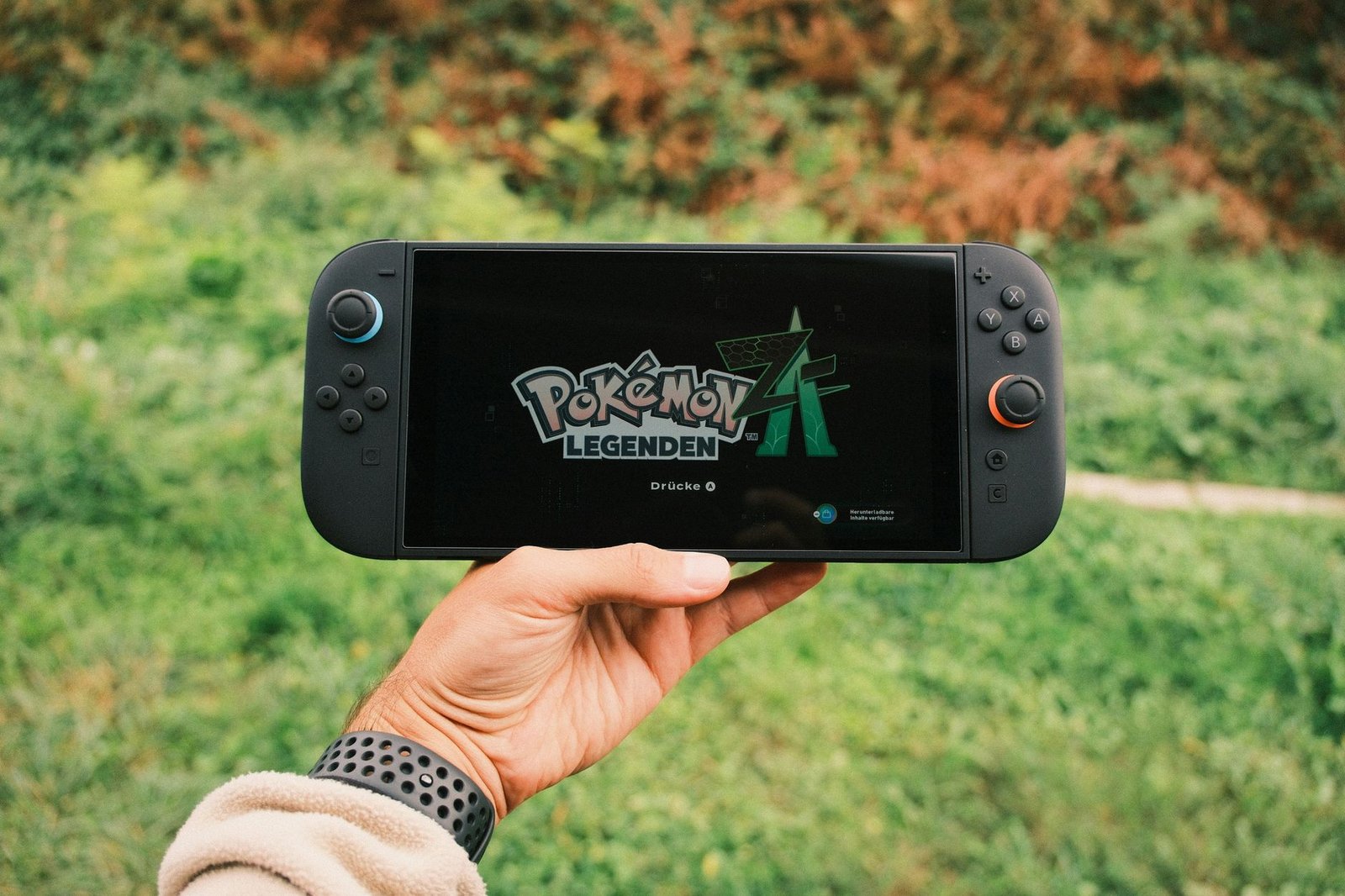
If a Nintendo Switch 2 was already on your list, buy it before September 1. This is the clearest, most concrete saving in this entire story.
Right now the U.S. price is $449.99. On September 1 it becomes $499.99, a flat $50 jump that Nintendo ties directly to the memory shortage. There is also a bonus most people miss: through August 31, the U.S. “Choose Your Game” bundle gets you the console plus one major first-party game for $499.99. After that date, the same $499.99 buys the console alone. Buy before the deadline and you effectively pocket a $50 price cut and a free game.
You can check the current price of the Switch 2 at major retailers while it is still $449.99. This is not fake urgency: the date and the amount are confirmed by Nintendo’s own price revision notice.
Buy soon: laptops and phones worth locking in
Phones and laptops do not have a single dramatic deadline like the Switch 2, but the direction is one-way: up. If you already planned to buy this year, moving sooner rather than later is the smart play.
Laptops. The mid-range is where the memory tax bites hardest, because RAM and SSD make up a big slice of the cost. A laptop you buy this summer is likely to be cheaper, and better-specced, than the same money will get you this winter. If you want somewhere to start, our guide to picking a laptop that lasts walks through choosing one with enough RAM to stay useful for years. Aim for at least 16GB, because that is the spec most at risk of being trimmed to hold a price point.
Phones. The above-$400 tier is holding up reasonably well, but the budget end is being hollowed out. Sub-$400 phones are the ones losing RAM and dropping to older display panels to survive. If you want a cheap phone that will not feel sluggish in two years, buy before manufacturers finish cutting corners. Not sure how much memory you need? On a phone, 8GB is a sensible floor if you want it to stay smooth for a few years.
You can check current prices on any specific model you are considering. Just know that “wait for a better deal later” is a weaker bet in 2026 than it has been in years.
What can safely wait
Buy-now advice only means something if it comes with honest “don’t bother” advice too. Not everything needs to be rushed.
- A device you don’t actually need. Spending $800 today to dodge a possible $100 increase later is not a saving if you were not going to buy the thing anyway.
- A phone or laptop that still works fine. If your current one is healthy, ride it out. A fresh battery and a storage cleanup cost a fraction of a new device.
- Bleeding-edge upgrades. Jumping to the newest flagship purely for small spec bumps makes even less sense when every spec now carries a memory premium.
The goal is timing purchases you were already going to make, not manufacturing new ones out of fear.
How much more will you actually pay
Here is the picture in one view. The chart below shows the projected 2026 price increase for each category versus 2025: laptops and PCs around 17%, smartphones around 13%, and the Switch 2’s confirmed jump of roughly 11%.
On real money, that math works out to meaningful sums. A $1,000 laptop trending 17% higher is roughly $170 more. A $600 phone at 13% is about $78 more. The Switch 2 is a flat, known $50. Individually none of these is catastrophic. Together, across a household that buys a couple of devices a year, the difference adds up fast, which is exactly why timing matters right now.

Key takeaways
- Phones and laptops getting more expensive in 2026 is real and driven by an AI-fueled memory shortage, not normal inflation.
- The Switch 2 has a hard deadline: $449.99 today, $499.99 on September 1, plus a free-game bundle that ends August 31. Buy before then if you want one.
- Laptops and phones you already planned to buy are cheaper now than they will be this fall, with mid-range and budget models most affected.
- Don’t panic-buy. Rushing a purchase you did not need is not a saving.
- Relief is not coming soon. Analysts expect elevated prices through 2027.
FAQ
Why are phones and laptops getting more expensive in 2026?
Because memory chips (RAM and storage) are in short supply. Chipmakers are prioritizing high-margin memory for AI data centers, leaving less for consumer devices and driving prices up across the board.
Is the Nintendo Switch 2 price increase permanent?
Nintendo has framed the $449.99 to $499.99 increase as a structural change tied to market conditions expected to last over the medium to long term, not a temporary surcharge. Treat it as permanent.
Should I buy a laptop now or wait until 2027?
If you need one this year, buy now. Prices are forecast to keep rising into 2027, and the sub-$500 segment may shrink or vanish. If your current laptop is fine, there is no urgency to upgrade.
Will my next phone really have less RAM?
In the budget tier, quite possibly. Some sub-$400 phones are dropping from 8GB or 12GB back to 4GB or 6GB to hold their price. Mid-range and premium phones are less affected but still cost more.
When will memory prices come back down?
Not soon. The shortage is expected to run through 2027, with meaningful relief only as new factory capacity arrives in late 2027 or 2028.
Buying for school? Our Chromebook vs Windows laptop for students guide shows which machine your coursework really needs, and why buying before the fall rush beats waiting.
The bottom line
Phones, laptops, and the Switch 2 are all getting more expensive this year for the same underlying reason: an AI-driven memory shortage that shows no sign of easing before 2027. You do not need to panic, but you do need to time the purchases you were already going to make. Grab the Switch 2 before September 1 if it was on your list, lock in a laptop or phone you genuinely need this summer, and let everything else wait. A little timing now is the difference between paying 2025 prices and paying 2026 ones.