

Here is the fastest way to know whether a Black Friday price is legit: ignore the giant percent-off sign, pull up the item’s price history on a free tracker like CamelCamelCamel or Keepa, and check whether today’s number actually beats what the product has sold for over the past year. The whole thing takes about 60 seconds. If the “sale” price matches what it cost three months ago, it is not a real Black Friday deal, no matter how red the sticker looks.
That is the entire method. Below, you get the exact steps, how to read the chart in plain English, and the one rule that settles “is this actually low.” It works for the Nov 27, 2026 rush and every sale season after it, because the trick retailers use never really changes.
On this page
- Why the percent-off sign lies
- The 60-second price check, step by step
- The one rule for “is this price actually low”
- Three gotchas that fool careful shoppers
- Your real Black Friday deal checklist
Why the percent-off sign lies
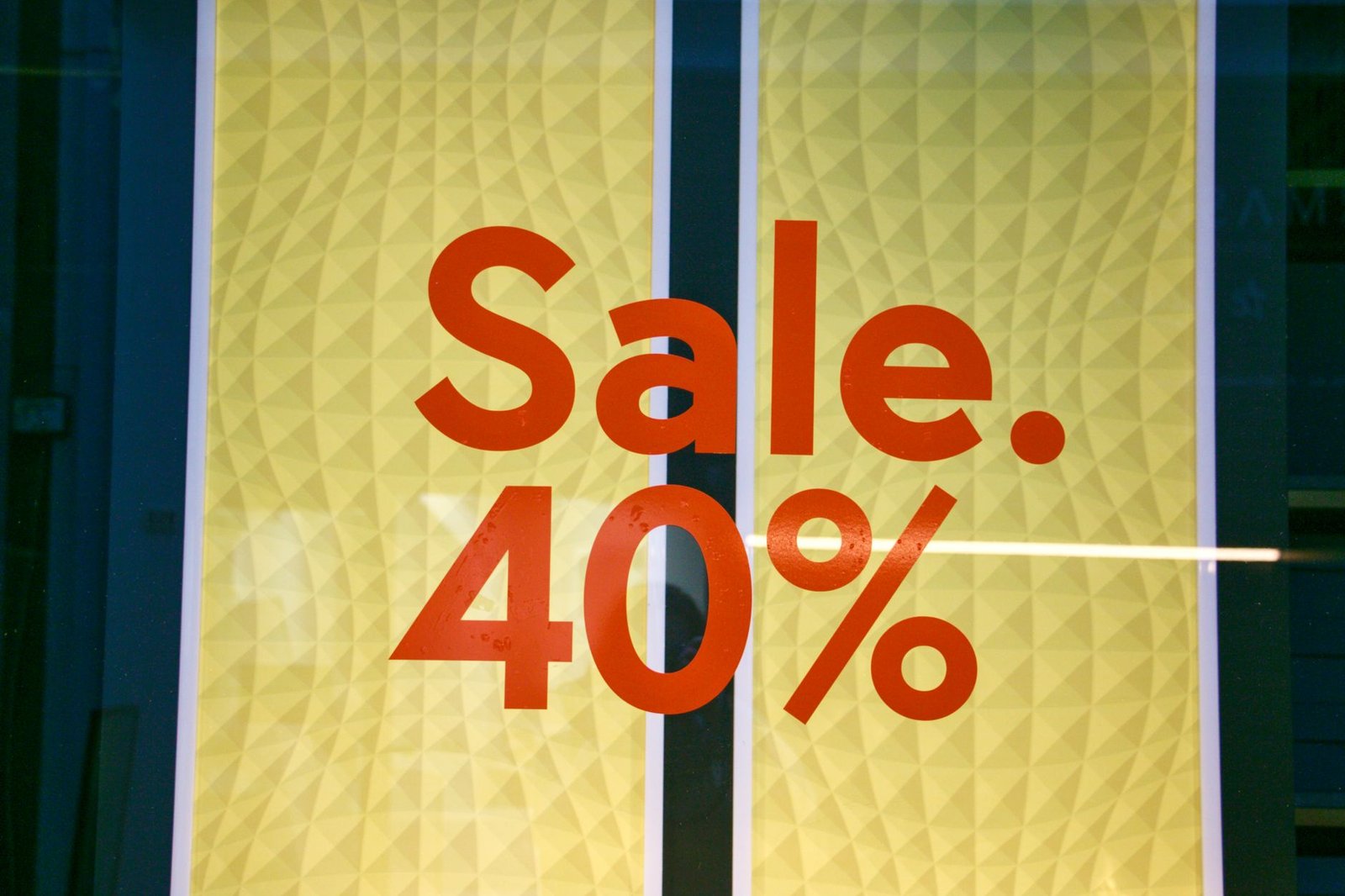
A discount is just a comparison: the price now versus some higher “before” price. The problem is that the retailer gets to pick the “before” number, and nothing forces it to be honest. That higher figure is called an anchor price, and it is where most fake deals are born.
Consumer researchers have caught this on camera for years. In its 2025 “Sale Fail” study, Consumers’ Checkbook tracked 25 national chains once a week for 24 weeks and found that 21 of them advertised a “sale” price more than half the time. In other words, the sale is the regular price wearing a costume. Only Apple, Costco and Dell consistently offered discounts the group considered genuine.
Across the Atlantic, the consumer body Which? found the same pattern in reverse: items marked down from a dramatic “was” price that the store had barely ever charged. One standout was a toothbrush advertised at a huge saving off a figure the retailer had used for a single day in the previous year. The everyday price was far lower, so the “deal” saved shoppers almost nothing.
The 60-second price check, step by step
You do not need a spreadsheet or a coupon-stacking PhD. You need one tracker tab and about a minute.

Step 1: Pull the real price history
For anything on Amazon, paste the product link into a free Amazon price tracker like CamelCamelCamel. It has run on Amazon affiliate commissions since 2008, so it stays free, and it charts the product’s Amazon price, third-party new price and used price over time. Keepa does the same job and layers in more detail; its basic price history is free, while deeper seller data sits behind a paid tier.
Prefer not to install anything? Both sites let you search or paste a link in the browser, no account required. If you shop outside Amazon, Google’s price insights (available to US shoppers) shows whether a listing is priced low, typical or high and how it has moved in recent months, and Chrome can open a 90-day price graph right in the address bar.
Step 2: Read the chart like a pro
The chart looks busier than it is. Here is what each part actually tells you.
| What you see on the chart | What it means for your wallet |
|---|---|
| The lowest point over the last 12 months | The best this item has genuinely been |
| A flat line for months, then a small dip now | A cosmetic “sale,” not a real drop |
| Today’s price sitting in the typical band | You are paying the normal price |
| A fresh low below the past 3 months | A plausibly real deal worth considering |
Hover any point to see the exact price and date. You are hunting for one thing: is today’s price near the bottom of that chart, or just near the top wearing a sale tag?
Step 3: Cross-check across retailers
One tracker tells you the Amazon story. For the full picture, open the same model at one or two other big retailers. A TV with a $999 list price that has quietly sold for $699 all year is not a $350 saving at $649; it is $50 off, dressed up. Comparing two or three stores takes seconds and kills most fake anchors on the spot.
The one rule for “is this price actually low”
Most guides stop at “check the history” and leave you staring at a squiggle. So here is a rule you can apply in five seconds:
A real deal beats the trailing floor, not the list price. Specifically, a price is worth buying when it sits at or below the item’s lowest point in the last three months, and ideally within striking distance of its 12-month low. If today’s number is higher than the typical band on the chart, the discount is cosmetic, and you can close the tab guilt-free.
That single rule reframes the whole decision. You stop asking “how big is the percent-off?” and start asking “is this near the real bottom?” The sign wants your attention; the chart deserves it.
Three gotchas that fool careful shoppers
Even with a tracker open, a few tricks slip past people. Watch for these.
Store-exclusive model numbers. Big-box chains often sell a slightly different version of a popular TV or laptop with a unique model suffix. Because no one else carries that exact number, you cannot price-compare it, and the “exclusive deal” cannot be fact-checked against anywhere. When a model number looks oddly specific to one store, treat the discount as unverified.
The phantom “was” price. This is the anchor trick from earlier. If the strike-through price never shows up in the item’s history, the saving is fiction. The chart is your lie detector here.
Manufactured urgency. Countdown timers, “only 3 left” banners and “deal ends in 10 minutes” are designed to stop you from doing the 60-second check. A genuinely low price is still low tomorrow. If a timer is rushing you, that is your cue to slow down, not speed up. While you are being careful, also make sure the store itself is legit before entering your card, since scam storefronts spike this time of year.
Your Real Black Friday Deal Checklist
Run this quick pass before you hit buy:

- Price history pulled on CamelCamelCamel or Keepa
- Today’s price sits at or below the 3-month low
- Cross-checked the same model at one other retailer
- Model number is standard, not a store-only version
- No fake countdown is rushing the decision
- You would still want this item at its normal price
If you shop in waves, some things are genuinely cheaper earlier in the season, so it is worth knowing what to grab now versus what to wait on until the big day. And if you are filling a cart with small gifts, the same price check keeps your stocking-stuffer price points honest too.
Bookmark this method, not this year’s “best deals” roundup. The roundups expire on Cyber Monday. A 60-second price check works every sale, every season, for as long as retailers keep betting that you will not look.