

A text lands on your phone: your package is stuck, and you owe a small customs or tariff fee to release it. Tap the link, enter your card, and the order is on its way. That is the customs fee text scam, and the only thing it delivers is your card number to a stranger. Here is the one rule that keeps you safe: never pay a delivery fee from a link in a text. Open the retailer’s order page or the carrier’s app yourself and check from there.
This post gives you the three tells that expose the scam in seconds, shows you what a genuine customs charge actually looks like, and walks through the exact steps to verify a real delivery notice. Get this right and you sail through peak shipping season without handing a scammer your card details or your logins.
Some links in this article are affiliate links. If you buy through them, we may earn a small commission at no extra cost to you. Learn more.
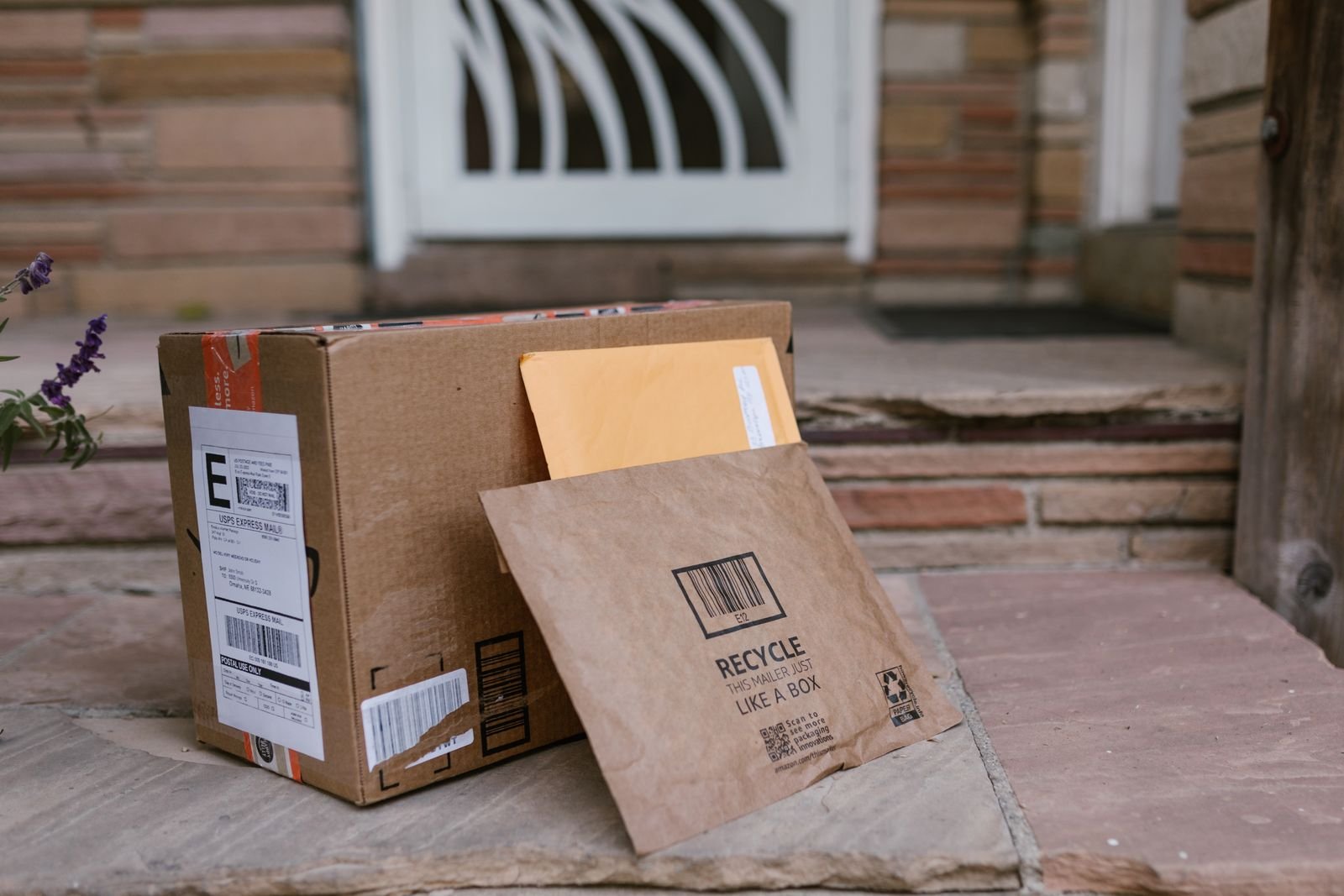
What the customs fee text scam actually is
The scam is a flavor of smishing, which is phishing by text message. You get a message dressed up as a notice from a courier or the post office. It claims your parcel cannot be released until you pay a tiny fee, often labeled as customs, duty, or a tariff charge. The link drops you on a page that looks like the real carrier, with a form that asks for your card and sometimes a login.
People also call it the tariff package text scam, the fake delivery fee text, or simply the package stuck in customs scam. Different wrapper, same goal: capture your payment details and account credentials in one tap.
Fake package delivery texts are not a fringe problem. The FTC reported that consumers lost $470 million to scams that started with a text in 2024, and fake package delivery was the single most-reported text scam of the year. As Malwarebytes has noted, text scams keep climbing, and the holidays are prime time.
Why it is surging in the 2026 holiday season
Two things feed this scam right now. First, volume. When everyone is tracking three or four packages at once, one more delivery text barely registers. Second, the news gives the lie a real backbone. Cross-border shopping rules genuinely shifted in 2026, including new low-value import charges on some goods bought from outside your region. Real duty changes make a fake duty text feel plausible, and scammers know it.
Then there is the price. These texts rarely ask for much, usually a dollar or two or three. That small number is the whole trick, because a tiny charge slips under your mental alarm in a way a big one never would.
The three tells that give it away
You do not need to be technical to catch this. Watch for three things.
Tell one: it asks for money to “release” a package. Real carriers do not text you a link to collect a redelivery or release fee. If a message ties your parcel hostage to a payment, that is the scam’s signature move.
Tell two: the link does not match the real carrier. Look at the web address before you tap anything. Scam links use lookalike domains, extra words, or odd endings that do not match the carrier’s actual site. A real USPS or courier page will not live at a random string of characters.
Tell three: urgency plus a form for your card or login. The message pushes you to act now, then asks for card details, a password, or personal info on a page you reached from the text. Pressure plus a payment form equals a trap.

What a real customs charge actually looks like
This is where people get fooled, because customs fees can be real. The difference is in how you pay them, not whether they exist.
A genuine duty on an international order is collected at delivery, billed through your carrier account, or added at checkout by the retailer. Couriers like UPS that handle brokerage charge those fees through your account or at the door, never through a link buried in a text. Customs agencies have said plainly that they do not text people to announce charges, and in several countries officials note that real duties arrive in writing, by post. Carriers echo this: they do not charge a redelivery fee by text and will not send you a link to collect payment.
So the test is simple. A real charge shows up at your door, in your carrier account, or at checkout. A charge that shows up only as a texted link is the scam.
The one safe way to verify
When a delivery text lands, use the verify-direct rule. It takes thirty seconds and it never fails you.
- Do not tap the link in the text. Not even to “just look.”
- Go to the source yourself. Open the retailer’s order page where you bought the item, or type the carrier’s real website into your browser, or open the carrier’s official app.
- Find your real tracking number from your order confirmation and check the status there.
- If there is a genuine fee, it will appear in that official account or at delivery. If the text’s claim is nowhere to be found, it was fake.
The principle underneath: let the message push you, but never let it route you. You decide where you go to check. While you are tidying your phone, it is worth taking a minute to stop spam texts for good so fewer of these ever reach you.

If you already tapped the link or paid
First, do not panic, and do not beat yourself up. These are built to fool careful people. Move quickly instead.
Call your bank or card issuer right away using the number on the back of your card. Ask them to block the card and watch for charges. Then check your real order through the carrier or retailer directly. If you entered a password, change it everywhere you used that same one, because reusing logins is exactly what phishing counts on. A password manager like NordPass makes it painless to set a unique password per site so one leaked login cannot unlock the rest, and moving your key accounts to phishing-proof passkeys shuts this door almost entirely. Take a few minutes to lock down your accounts after a scam once the immediate fire is out.
To report the text, forward it to 7726 (that spells SPAM) so your carrier can act on it, then delete the message. Your bank, your card issuer, and your phone carrier are the three doors that matter here.
Your peak-season game plan
The customs fee text scam works by catching you mid-rush, with a small ask and a believable story. Beat it with one habit: never pay a delivery fee from a text, and always verify from the retailer or carrier yourself. That same slow-down instinct is what helps you spot a fake online store before you pay when a holiday deal looks too good to be true. Keep that rule in your back pocket this season and the scammers get nothing, no matter how real the text looks.