

A family safe word is a secret word or phrase your family agrees on ahead of time, then asks for on any surprise call about money or trouble. It works because AI can fake a voice but cannot fake private knowledge. This guide gives you the exact protocol, the wording that actually holds up, and a way to get everyone using it this week.
Here is the uncomfortable part. Scammers now clone a loved one’s voice from a few seconds of audio pulled off social media, then call a parent or grandparent sobbing about an accident, an arrest, or bail money. Security researchers at McAfee have shown just how little audio it takes. Americans over 60 reported losing nearly $4.9 billion to online crime in 2024, a 43% jump over the prior year, according to federal fraud reporting. A safe word cuts straight through all of it.
If you want to hear what one of these calls actually sounds like first, we broke down exactly how a cloned-voice call sounds and what to say in the first 20 seconds in a companion piece. This article is the setup half.
In this guide
- Why a safe word beats a cloned voice
- How to choose a safe word that holds up
- Word or question: pick what your family will remember
- Get your whole family using it this week
- What to do when a scary call comes in
- The mistakes that quietly break your safe word
Why a safe word beats a cloned voice
A cloned voice knows the sound of your daughter. It does not know the nickname only your family uses for the cabin. That gap is the whole trick.
When a caller claims to be in trouble, you ask one calm question: “What is our safe word?” The real person answers instantly. A scammer stalls, gets angry, or insists they are too upset to think. That hesitation is your answer. Groups like the National Cybersecurity Alliance point to this as the single most effective low-tech defense against voice-cloning scams, and it costs nothing.
Better still, it needs no app, no subscription, and no tech skill. Anyone in your family can use it, which is exactly why it works for the relatives most at risk.

How to choose a safe word that holds up
Good safe words share three traits: private, memorable, and never posted anywhere online. Bad ones are easy to guess or easy to dig up.
Skip these entirely:
- Pet names, street names, or birthdays
- Anything ever shared in a public post or photo caption
- Your kids’ schools or sports teams
Instead, reach for something only your family would know:
- A private in-joke or a botched family recipe
- A silly phrase from one specific trip
- An oddball nickname that never made it online
One more rule that people forget: the word has to survive stress. Your parent or child needs to recall it while genuinely rattled. If nobody can produce it during a surprise quiz at breakfast, it is too clever. Pick something stickier together.
Word or question: pick what your family will remember
Here is a contrarian point the roundups skip. A single word is fragile if a family member tends to forget things. For some households, a safe question works better than a safe word.
A safe question is a challenge only the real person can answer, like “What did we name the fish that died?” It has two advantages. Nobody has to memorize a specific string, and the answer lives in memory rather than on a sticky note.
Use this quick rule:
- Everyone reliable with a password? A safe word is cleaner.
- Someone who forgets names or details under stress? A safe question is more forgiving.
You can even run both: a word for the grandkids, a question for the grandparent. The goal is a check that the specific person will actually reach for in the moment.
Get your whole family using it this week
Choosing a word means nothing if half the family never hears about it. This is where most plans quietly die, so treat rollout as the real task.
Do this in one sitting:
- Pick your people. List everyone you would call, or who would call you, in an emergency. Include in-laws and caregivers.
- Agree on the word or question. Decide it live, on a call or in person, never in a shared cloud note.
- Say it out loud once, then stop. Everyone confirms they have it, and from then on you never speak it on a normal call.
- Run a 2-minute drill. A week later, text a relative: “Quick test, what is our safe word?” If they blank, the word is too hard. Fix it now, not during a real emergency.
That drill is the step nobody mentions, and it is the difference between a word people wrote down and a word people can use. For older relatives, it pairs well with a wider plan for keeping their personal details off the open web.
What to do when a scary call comes in
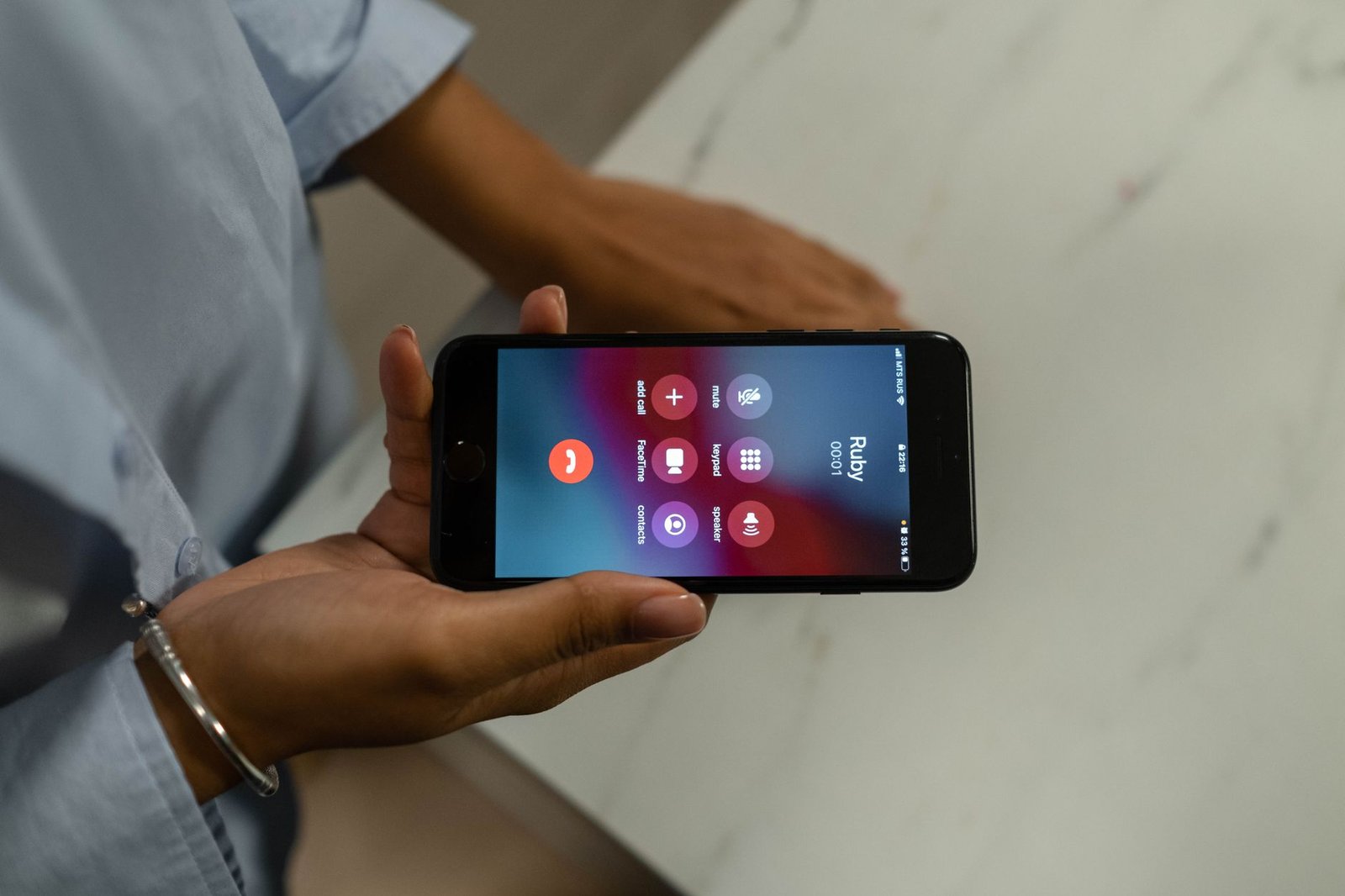
Slow the call down before you do anything else. Urgency is the scammer’s main weapon, so removing it removes their edge.
- Ask for the safe word or the safe question.
- If the answer does not come immediately, hang up. Do not argue.
- Call the real person back on their saved number, never a number the caller gives you.
- A genuine emergency will still be an emergency in five minutes. Verifying costs you nothing.
If money already moved, contact your bank, card issuer, or phone carrier right away rather than waiting. AARP’s guidance on impostor scams makes the same point about calling back on a known number.
The mistakes that quietly break your safe word
A safe word only protects you while it stays secret. A few everyday habits leak it without anyone noticing.
- Saying it on ordinary calls. The word is for emergencies only. Use it casually and it stops meaning anything.
- Storing it in a shared note or group chat. A cloud note, a family text thread, or a photo of a whiteboard can all be exposed. Keep it in memory.
- Never rotating it. If you think it slipped out, change it that day. Set a loose reminder to refresh it once a year anyway.
- Oversharing online. The less audio and personal trivia you post, the less a scammer can clone or guess, so tightening what your family shares publicly genuinely helps.
Key takeaways
- A family safe word is your strongest low-tech defense against AI voice scams, because a clone copies a voice, not private knowledge.
- Choose something private, memorable, and never posted online. For forgetful relatives, a safe question beats a word.
- Roll it out live, then run a short drill a week later so it actually sticks.
- On any scary call, ask for the word, hang up if it is missing, and call back on a saved number.
- Keep it secret: no group chats, no shared notes, and rotate it if it ever slips.
Frequently asked questions
What is a good family safe word?
A private phrase nobody outside your family would know and that has never appeared online, like an in-joke or an oddball nickname. It should be easy to recall under stress but hard to guess.
Can a scammer just ask my parent for the safe word?
It can happen, so the rule is simple: your family only ever gives the word to a caller who cannot be verified any other way, and never volunteers it first. In practice you ask the caller for it, not the reverse.
How often should we change the safe word?
Change it immediately if you suspect it leaked, and refresh it about once a year as a habit. Rotating it limits the damage if it ever slipped out unnoticed.
What if my parent forgets it during a real emergency?
This is exactly why a safe question can work better for some relatives, since the answer lives in memory. Either way, the fallback never changes: hang up and call the person back on a known number.
Do I need an app or special software for this?
No. A safe word needs nothing but a two-minute family conversation, which is what makes it work for the people most at risk.
Does a safe word replace other scam protection?
No, it is one strong layer. Pair it with call screening, private social accounts, and knowing how these calls sound so the whole family recognizes the pressure tactics.
Set it up before you need it
The families who stay safe are not the most tech-savvy. They are the ones who had this two-minute conversation before a scary call ever came. Pick your word or question today, tell the people who matter, and run the drill next week. That is a working protocol, done.
If you want more plain-English guides like this one, join the Better With Tech newsletter. We send practical, no-hype tips for keeping your family safer online, straight to your inbox.