
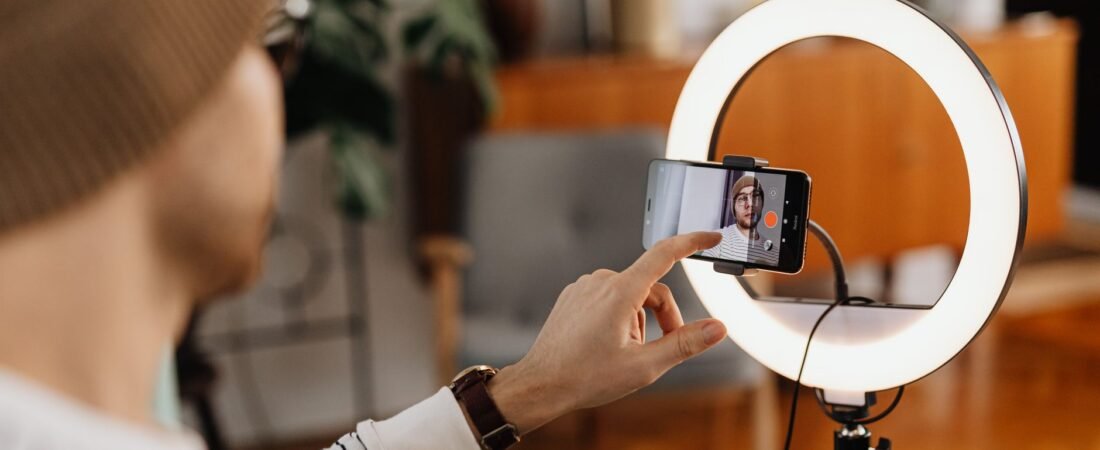
Instagram trial reels let you show a new Reel to people who do not follow you, before your followers ever see it. Think of it as a soft launch: Instagram sends your video into the recommendation feed for strangers, you read the numbers, and only then do you decide whether it goes public. By the end of this guide you will be able to run your first trial today, schedule a week of tests in one sitting, and read the 24-hour metrics well enough to decide publish, iterate, or shelve without guessing.
That is the promise, anyway. The part most guides skip is that testing has a cost, and for certain videos a trial reel can quietly hurt you more than it helps. We will get to exactly when that happens, because it is the difference between using this feature and being used by it.
Some links in this article are affiliate links. If you buy through them, we may earn a small commission at no extra cost to you. Learn more.
As an Amazon Associate I earn from qualifying purchases.
In this guide:
- What Instagram trial reels actually do
- Who can use trial reels (eligibility)
- How to post your first trial reel
- The 24-hour window: how to read your numbers
- Auto-share and the 72-hour decision
- Scheduling trial reels: batch a week of tests
- When a trial reel can hurt you
- Key takeaways and FAQ
What Instagram trial reels actually do
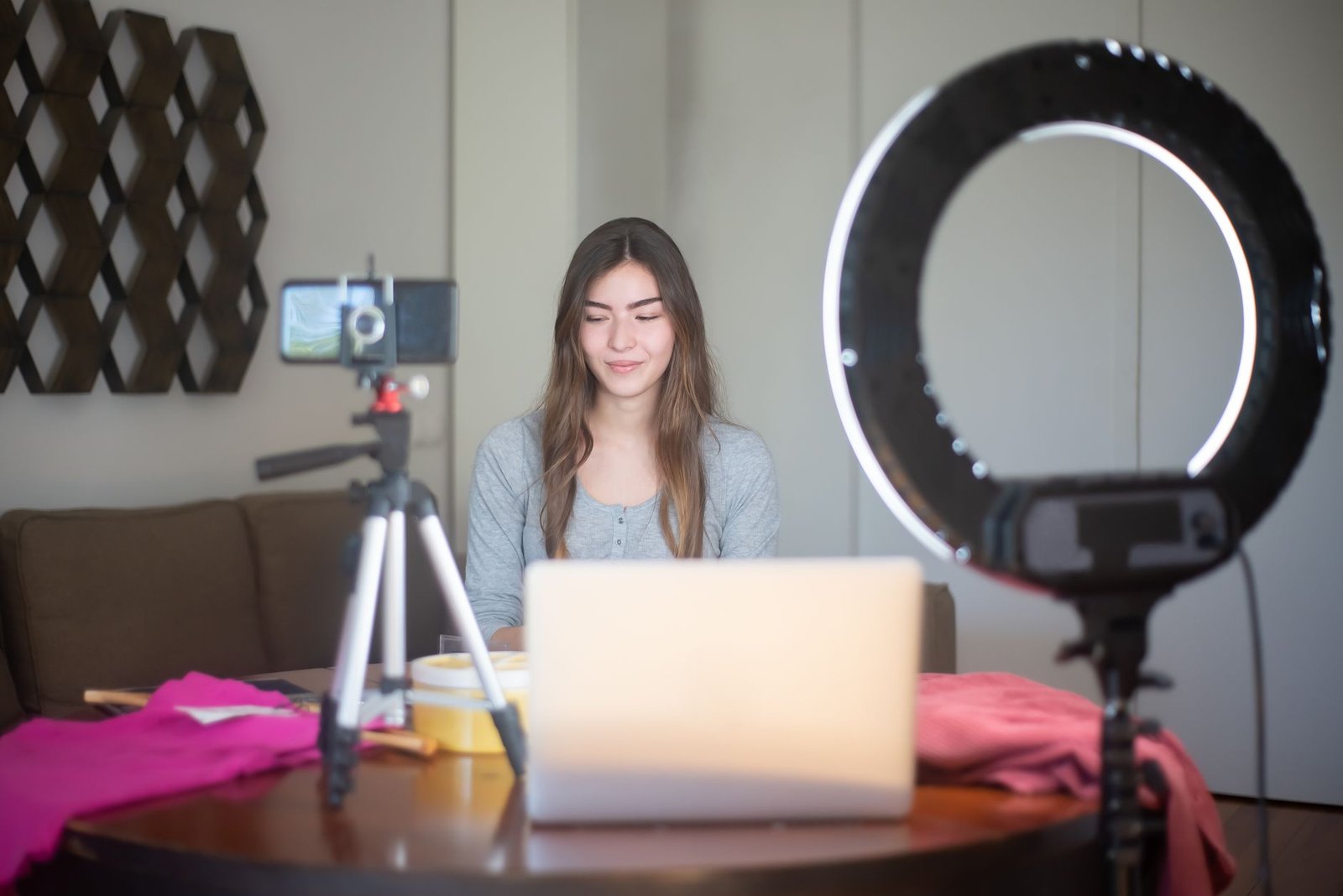
A trial reel is a regular Reel with one switch flipped. When you toggle “Trial” before sharing, Instagram distributes the video only to non-followers through its recommendation system, the same engine that fills the Reels tab and Explore for people who have never heard of you.
While the trial is running, the Reel stays invisible in all the places your audience would normally find it:
- It does not appear on your profile grid or your Reels tab.
- It does not show up in your followers’ feeds.
- Your followers are not notified in any way.
In short, it is a controlled experiment. Instagram’s official announcement frames it as a way to try content with non-followers first to see what performs best, and that framing matters: the feature was built for creators who want to experiment with new formats, hooks, or topics without worrying about confusing the audience they already have.
There is one behavioral quirk worth knowing up front. Because Instagram has to find non-followers it thinks will care about your content, trial reels often gain views more slowly than your normal posts. Instagram says this itself. So a quiet first hour is not a verdict; it is just the machine warming up. The real reading happens at the 24-hour mark, and there is a right and a wrong way to do it (that part is below).
Who can use trial reels (eligibility)
The requirements are simple, and there is no workaround for them:
- A public account. Private accounts cannot run trials, because the whole feature depends on strangers seeing your content.
- At least 1,000 followers. This is Instagram’s stated threshold since the feature expanded beyond its original test group.
- The Reels composer in the app. The trial toggle appears on the final share screen when you post a Reel. If you meet the requirements and still do not see it, the rollout reaches accounts gradually, so it can lag for some users.
The feature launched in December 2024 and expanded to all eligible public accounts shortly after. As of mid-2026 it is a standard part of the Reels toolkit, not a beta perk.
How to post your first trial reel
The mechanics take about ten seconds once you know where to look:
- Create your Reel as usual (record or upload, edit, add audio and text).
- On the final screen before sharing, find the Trial toggle and switch it on.
- Choose whether to enable auto-share (more on this decision in a moment).
- Tap Share. The Reel goes live to non-followers only.
After that, you wait. Approximately 24 hours in, Instagram surfaces key engagement metrics for the trial: views, likes, comments, and shares. Helpfully, it also tells you how this trial is performing compared to your previous trials, which is the single most useful number on the screen. However, that comparison only becomes meaningful once you have a few trials behind you, which is one more reason to test in batches rather than one-offs.
The 24-hour window: how to read your numbers
Here is where most creators go wrong, so let’s slow down.
What Instagram shows you
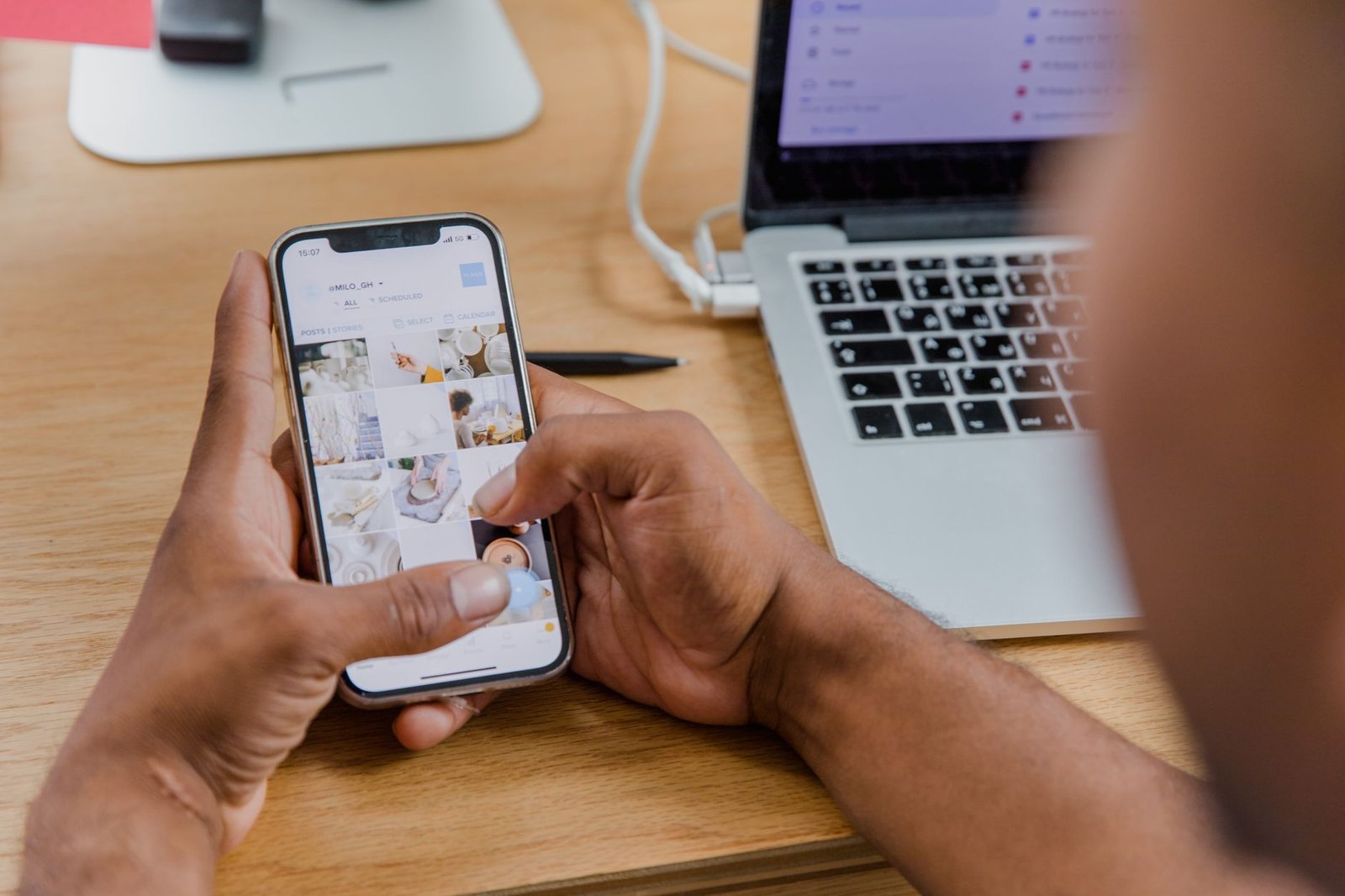
At roughly the 24-hour mark you get the standard engagement set: views, likes, comments, shares. You also get Instagram’s own relative signal, the “compared to your other trials” indicator. Full performance tends to settle by 72 hours, but the 24-hour snapshot is usually enough to act on.
Read rates, not raw views
Raw view counts on trial reels run lower and slower than your normal Reels, because the audience is being assembled from scratch. Judging a trial by absolute views is like judging a restaurant by how crowded it is five minutes after opening. Instead, look at ratios:
- Likes per view and shares per view tell you whether the content connected with the strangers who did see it.
- Comments from non-followers are the strongest signal of all, since strangers rarely bother.
- Your own trial baseline (how this test compares to your last few tests) beats any generic benchmark.
A trial with 400 views and a strong share rate is a better publish candidate than one with 4,000 views and dead silence. The first found the right people; the second just found people.
A simple decision tree
After 24 hours, run your result through this:
- Beating your recent trials on engagement rates? Publish it to everyone, or let auto-share do it.
- Average, but the comments show people got the point? Publish, and treat the trial as a soft confirmation.
- Weak rates AND confused or absent comments? Iterate: same idea, new hook, new trial.
- Weak everything, twice in a row, on the same content style? That is real information. Shelve the format, not just the video.
One warning before you trust any of those numbers, though, and it is important enough to get its own section later: the trial audience is not a neutral jury. Hold that thought.
Auto-share and the 72-hour decision
When you create a trial, Instagram offers an optional auto-share setting. If you turn it on, Instagram will automatically share the Reel with your followers if it judges the trial to be performing well, based on the views it gets within the first 72 hours.
So when should you use it? A practical split:
- Turn auto-share ON for volume testing: you are batching several tests, you trust the idea in every video, and you would publish any of them if the numbers came back decent. Auto-share removes a manual step and makes sure a winner does not sit in limbo while you are busy.
- Leave auto-share OFF when the video needs anything from you at publish time: an updated caption, a pinned comment, or a link strategy. Auto-share publishes the Reel as-is, and if your growth plan depends on making sure the link in your caption actually pulls its weight, you want to be the one pressing the button.
Also remember that auto-share keys off views, while your best judgment keys off rates. The two usually agree; when they do not, trust the rates.
Scheduling trial reels: batch a week of tests
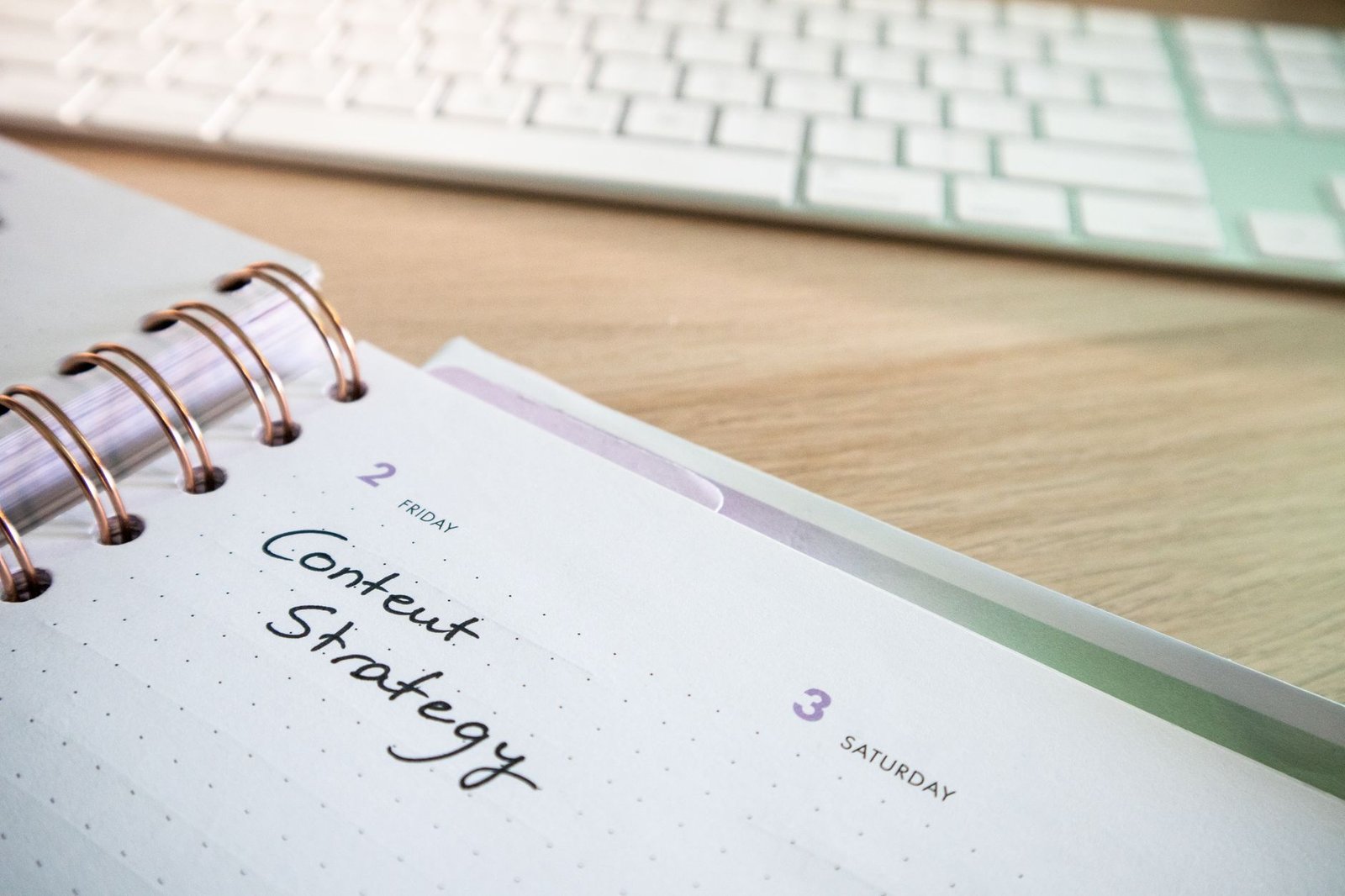
In early 2026, Instagram added scheduling to trial reels, and it quietly turned the feature from a one-off gimmick into a real testing system. You can now sit down once, prepare several trials, and schedule them across the week from inside the app.
To make batch testing actually work, follow two spacing rules:
- One trial per day, maximum. Trials running simultaneously compete for the same recommendation slots and muddy each other’s numbers. Give each test its own clean 24-hour read.
- Test one variable at a time. If Monday’s trial has a new hook AND new audio AND a new format, a good result teaches you nothing specific. Change one thing per test, like any decent experiment.
A simple week looks like this: batch-record on Sunday, schedule five trials Monday through Friday, then spend ten minutes each morning reading yesterday’s 24-hour numbers with the decision tree above. By Saturday you know which one (or two) deserves your followers’ feed. That is a content strategy, not a coin flip.
When a trial reel can hurt you
Now the section this article exists for. Trial reels are genuinely useful, but they are not free, and there are two situations where testing costs more than it teaches.
The trend-timing tax
A trial locks your video away from your followers for 24 to 72 hours while you wait for data. For evergreen content, that delay costs nothing. For trend-driven content, it can cost everything, because trends on Reels have a window, and the window does not wait for your experiment to finish.
If your video rides a trending audio, a meme format, or a reaction to this week’s news, a three-day quarantine can mean publishing into a feed that has already moved on. You protected yourself from a flop and guaranteed a shrug instead. Trending audio has its own risks worth managing anyway, the same way YouTube’s instrumental track tool saves a video from a copyright claim, but timing is the one a trial actively makes worse.
The decision rule: ask “will this video make the same sense to a viewer five days from now?” If yes, trial it. If no, skip the trial and publish directly; speed is worth more than certainty on trend content.
The misleading test audience
The second trap is subtler. Your trial audience is non-followers picked by Instagram’s interest matching, not a random sample of humanity and, crucially, not your community.
That mismatch cuts both ways. A video made for your existing audience (an inside reference, a follow-up to a previous post, anything that rewards context) can test terribly with strangers and still be exactly right for your followers. Meanwhile, a broad crowd-pleaser can test brilliantly with strangers and land flat with the niche audience you have spent a year building. The trial answers one question only: “can this reach new people?” It says nothing about “will my people love this?”
So read every trial through that lens. Weak trial numbers on community-specific content are not a red light; they are the wrong instrument for that measurement.
Keep the test fair
One last integrity check: a trial only measures the idea if the execution is consistent. If your tests alternate between crisp audio and echoey room sound, you are testing your microphone, not your hook. A basic lavalier mic and a phone tripod cost less than a dinner out and remove the two biggest production variables, so every trial fails or wins on the content itself.
Key takeaways
- Trial reels show your Reel to non-followers only; it stays off your grid and out of your followers’ feeds until you (or auto-share) publish it.
- Eligibility: a public account with at least 1,000 followers.
- Metrics land at about 24 hours; judge engagement rates and your own trial baseline, never raw views.
- Auto-share publishes automatically if views are strong within 72 hours; keep it off when the caption or a pinned comment matters.
- Scheduling (added in early 2026) makes batch testing practical: one trial per day, one variable per test.
- Skip the trial for trend content: the 24 to 72 hour wait can burn the trend’s window.
- Trial audiences are interest-matched strangers, so community-specific content can test badly and still deserve publishing.
FAQ
Why is my trial reel not getting views?
Trials often start slower than normal Reels because Instagram is finding non-followers likely to care, which takes time. Give it the full 24 hours before judging. If several consecutive trials stall near zero, the usual suspects are a weak first-second hook or content too niche for interest matching to place.
Do my followers ever see a trial reel?
Not during the trial. It is hidden from your profile, your Reels tab, and their feeds. Followers only see it if you tap “share with everyone” or if auto-share triggers. A follower could theoretically stumble on it only in edge cases, such as someone who does not follow you sharing it into a DM.
Can I convert a trial reel into a normal reel?
Yes. At any point you can share the trial with everyone, and it becomes a regular Reel on your profile. The views and engagement it earned during the trial carry over rather than resetting.
Does running trial reels affect my overall reach?
No penalty is attached to the feature itself. A trial that flops simply stays hidden; it does not drag down future posts. The only real reach cost is the timing one covered above: trend content that waits out a 72-hour test can miss its moment.
How many trial reels can I run at once?
Instagram allows multiple active trials, but running them simultaneously splits the recommendation system’s attention and muddies your data. For clean reads, space them one per day.
Do trial reels work for business accounts?
Yes. The feature is tied to having a public account with 1,000+ followers, and both creator and business accounts use it the same way.
The bottom line
Instagram trial reels are one of the few platform features that genuinely favor thoughtful creators over prolific ones. Used well, they turn publishing from a guess into a process: schedule a batch, read the rates at 24 hours, publish the winners, and learn something from the losers. Used carelessly, they burn trend windows and punish community content for failing a test it was never designed to pass.
The framework is simple enough to start today. Pick one evergreen idea, run your first trial tonight, and read the numbers tomorrow with the decision tree in hand. For more ways to squeeze real growth out of the tools you already have, our creator and social toolkit guides are the natural next stop.