

Here is the short version of this portable power station buying guide: the right size is the one that covers what you actually plug in, with a little headroom, and not a watt-hour more. Buy too small and it dies before your CPAP finishes the night. Buy too big and you have hauled around (and paid for) a battery that spends most of its life half full. This guide gives you a simple method to land in the middle, plus honest capacity ranges for real use cases.
By the end you will know how to add up your own power needs, do the run-time math, and match that number to a real product tier. No hype, no “get the biggest one just in case.”
Some links in this article are affiliate links. If you buy through them, we may earn a small commission at no extra cost to you. Learn more.
As an Amazon Associate I earn from qualifying purchases.
The quick answer
Size the battery to the devices on your list plus about 15% headroom, and match the inverter output to your single most demanding device. Most buyers land happily in the 1,000Wh tier; a CPAP-and-phones setup needs far less, and only whole-home backup calls for 2,000Wh and up.
Skip to: the sizing table or the real product tiers to match your needs to a model.
First, Two Numbers That Do Two Different Jobs
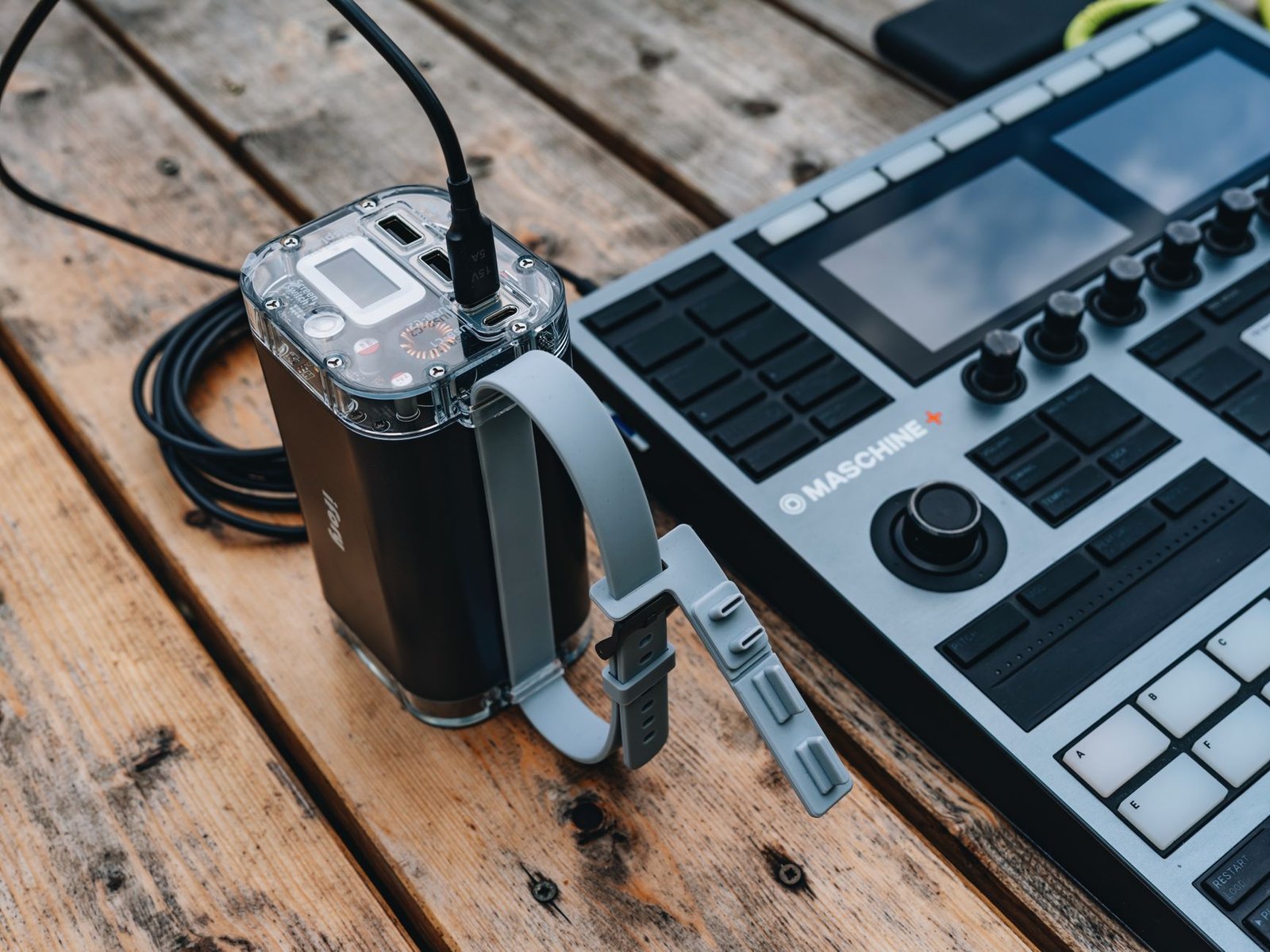
Every portable power station has two specs that matter, and people mix them up constantly.
- Capacity (watt-hours, Wh): how much energy is in the tank. This decides how long it runs your stuff.
- Output (watts, W): how much the inverter can push at once. This decides what you can run at all.
A unit can have a huge battery but a small inverter. If your microwave pulls 1,000W and the station only outputs 300W, that giant battery will not turn the microwave on for one second. So you are sizing two things: enough watts to start your biggest device, and enough watt-hours to keep everything going as long as you need.
Step 1: List What You Actually Plan to Run
Write down the devices, not the fantasy. Here are typical running-wattage figures to build your list. These match the U.S. Department of Energy’s published appliance energy data and manufacturer spec sheets.
- Phone charge: about 50 Wh per full charge
- Laptop: 45 to 100W
- CPAP (no humidifier): 30 to 60W; with heated humidifier, 80 to 150W
- Full-size fridge: 100 to 150W running, but a surge of 600 to 800W for a split second when the compressor kicks on
- Compact microwave: 600 to 900W; full-size, 1,000 to 1,200W
- Space heater: 750W on low, 1,500W on high
That last one is the trap. Space heaters and hair dryers eat power. If you plan to run one, you need serious output and capacity, and honestly a power station is a poor fit for constant heating.
Step 2: Do the Run-Time Math
The formula is friendlier than it looks:
Run time (hours) = usable capacity (Wh) divided by device draw (W)
Real-world capacity is roughly 85% of the rated number, because inverters lose a little to heat. So a 1,000Wh station gives you about 850Wh usable.
Example: a 40W CPAP running overnight for 8 hours needs 40 x 8 = 320Wh. A 500Wh station (about 425Wh usable) covers that with room to spare, and still tops up your phone. You do not need a 2,000Wh monster for a good night’s sleep.
Sizing Table: Use Case to Capacity Range
Match your list to the closest row. When in doubt, size up one step, not three.
| Use case | What it runs | Recommended capacity | Minimum output |
|---|---|---|---|
| Phones, tablets, camp lights | USB devices, a fan | 200 to 500Wh | 300W |
| CPAP overnight + charging | Medical device, phone, laptop | 500 to 1,000Wh | 300W |
| Car camping / tailgating | Small fridge, lights, speaker | 1,000 to 1,500Wh | 1,000W |
| RV weekends off-grid | Fridge, fans, kitchen small appliances | 1,500 to 2,500Wh | 2,000W |
| Home backup, essentials only | Fridge, Wi-Fi, lights, phones | 2,000 to 4,000Wh+ | 1,800W+ |
| High-draw appliances (heater, window AC) | Microwave, space heater, AC | 3,000Wh+ | 2,000W+ |

Real Product Tiers (July 2026)
To make the ranges concrete, here are current models that sit in each band. Prices move constantly, so treat these as category examples, not a “best” ranking.
Compact, around 250 to 300Wh. The EcoFlow River 3 (245Wh), Anker SOLIX C300 (288Wh), and Jackery Explorer 300 (292Wh) all live here. Great for phones, laptops, and a night of CPAP. Light enough to carry one-handed.
Mid-size, around 1,000Wh. The Anker SOLIX C1000 (1,056Wh, 2,000W output), Jackery Explorer 1000 v2 (1,070Wh), and Bluetti AC180 (1,152Wh) are the sweet spot for most buyers: car camping, a small fridge, and short outages.
Large, around 2,000Wh. The Jackery Explorer 2000 v2 (2,042Wh, 2,200W) and Bluetti Elite 200 V2 (2,048Wh) handle RV life and running several household essentials at once.
Home backup, 4,000Wh and up. The EcoFlow Delta Pro 3 (4,096Wh, 3,600W output) and Anker SOLIX F3800 Plus are built for whole-circuit backup and can chain with extra battery packs. This is also where you would start keeping the essentials on during an outage for a fridge, router, and lights across a longer blackout.
Two Things Worth Paying For (and One That Is Optional)
LiFePO4 batteries. Nearly every core model above uses lithium iron phosphate chemistry now, and that is the one you want. It handles far more charge cycles and runs cooler than older lithium-ion. When people ask why battery chemistry matters, it is the single biggest factor in how long your unit lasts.
Enough inverter output. Undersizing watts is the most common regret. Check the running wattage of your single most demanding device and make sure the station beats it with margin for surge.
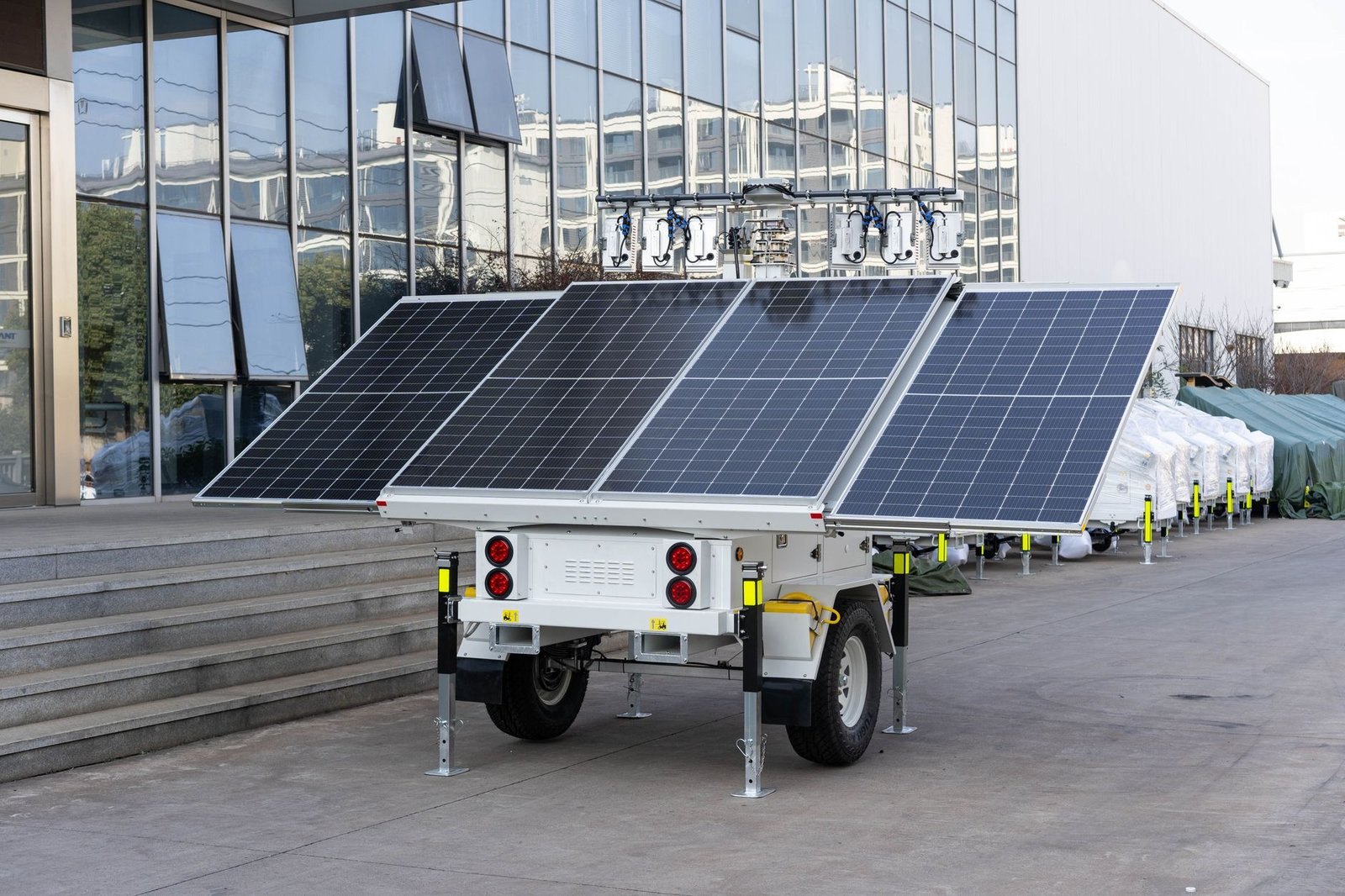
Solar input (optional). If you camp or want outage insurance, a station that accepts solar lets you recharge off-grid. Pairing it with solar panels is worth it only if you will actually be away from an outlet for days. For a weekend, wall charging is fine.
What NOT to Overbuy
Bigger costs more, weighs more, and takes longer to recharge. A 4,000Wh unit can top 60 pounds. If your real use is CPAP and phones, that is a lot of dead weight and dollars. The honest move is to size for your common use, not your worst-case daydream. You can always add a second small unit later, or reach for a bigger one when gearing up for van life actually happens.
Key Takeaways
- Capacity (Wh) sets run time; output (W) sets what you can power at all. Size both.
- Add up your devices’ watts, multiply by hours, and add about 15% for inverter loss.
- Most buyers are happiest in the 1,000Wh tier; CPAP-and-phones users need far less.
- Insist on LiFePO4 chemistry and enough output to cover your biggest device.
- Do not buy home-backup capacity for a camping-trip life.
FAQ
What size power station do I need for CPAP? A 500 to 1,000Wh unit covers a typical CPAP overnight, even with the humidifier off to save power. A 40W machine over 8 hours uses about 320Wh, so a 500Wh station leaves margin plus phone charging.
Can a portable power station run a refrigerator? Yes, if the output handles the startup surge (600 to 800W for a split second) and the capacity covers the hours you need. A fridge averages 100 to 150W running, so a 1,000Wh unit keeps one cold for several hours, and a 2,000Wh+ unit gets you through a longer outage.
Is a bigger power station always better? No. Extra capacity means more weight, higher price, and longer recharge times. Match the size to what you regularly run, with modest headroom, rather than the biggest number on the shelf.
What is the difference between a power station and a solar generator? They are often the same hardware. “Solar generator” just means a portable power station paired with solar panels for recharging. The battery unit is identical; the panels are the add-on.
How long do these batteries last? Modern LiFePO4 units are typically rated for thousands of charge cycles, often enough for many years of regular use before capacity noticeably drops. Older lithium-ion chemistry fades faster.
Portable Power Station Buying Guide: The Bottom Line
The best portable power station is not the biggest one you can afford. It is the one sized to your real list of devices, with enough output for the demanding ones and enough capacity for the hours you need. Add up your watts, run the simple math, match it to a tier above, and buy once. That is the whole method, and it saves you from both a dead battery at 3 a.m. and a pricey brick gathering dust in the garage.
The Amazon links here point to product categories and example models, not a single “best” pick. We call out who each tier is for and where it falls short, so you can choose with clear eyes.