
The next fake that fools your family group chat won’t be a photo. It will be a video: a clip of a politician, a celebrity, or a “relative” that looks and sounds real enough to reshare in seconds. Here’s the useful part. You can spot an AI generated video with a short list of checks, and most of them take about ten seconds each.
By the end of this checklist you’ll be able to vet a viral clip before you pass it on, so you don’t get scammed and don’t become the person who spreads a fake. One honest caveat up front: the visual giveaways are fading fast as tools like Sora 2 improve, so the durable skill isn’t staring harder at pixels. It’s asking where the clip came from. We’ll build up to that, because it’s the check that will still work next year.
On this page
- Watch the face first
- Listen for lip-sync drift
- Scan the edges and background
- Ask who posted it first
- Check the receipts
- How to spot an AI generated video before you reshare
Watch the face first
Start with the face, because it’s where your eye is quickest. Give it a slow ten seconds and look for skin that reads as too clean: waxy, plastic, pores that are oddly smooth or too symmetrical. Then watch the eyes. AI faces still blink at strange intervals, and pupils sometimes change size at the wrong moments or drift out of sync with each other.
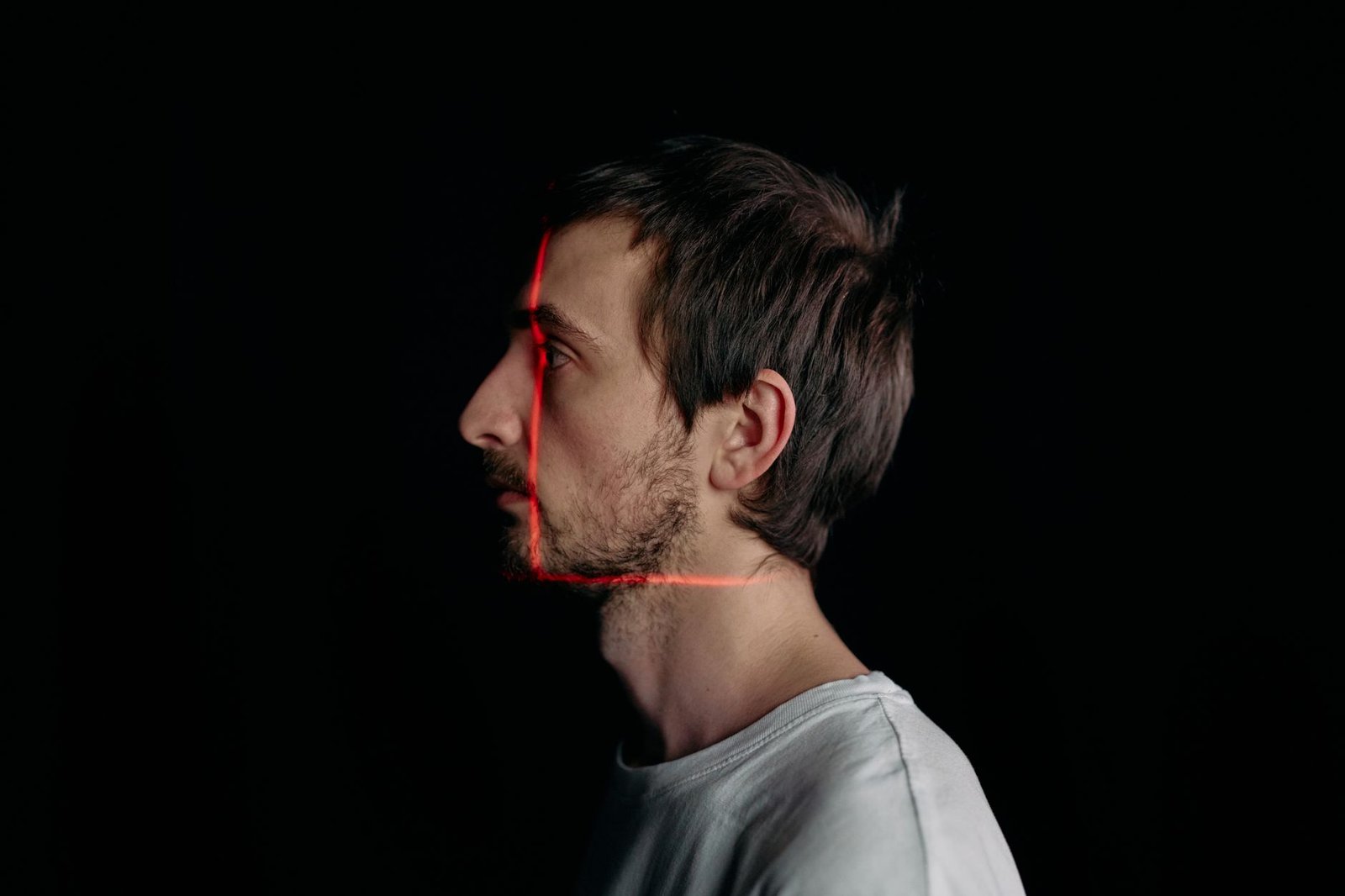
One tell that’s easy to miss: there’s no pulse. A real person in a close-up has a faint life to them, a tiny motion in the neck, subtle shifts in color. Synthetic faces often sit unnaturally still or move with an even, uniform quality that feels off once you notice it.
Here’s the catch. Current models are genuinely good at the main subject, so a clean face is not proof of anything. It just buys you a first impression. If the face passes, keep going, because the seams usually show up somewhere else.
Listen for lip-sync drift
Now close your eyes for a second and just listen, then watch the mouth. Lip-sync drift is one of the most reliable audio tells: the lips and the words fall a beat out of step, especially on fast speech or the ends of sentences. Also listen for breathing. Real speech carries natural breaths, while cloned audio often drops them, inserts them at grammatically wrong moments, or loops the same breath sound.
Be careful about trusting a voice on its own, though. Voice cloning has crossed what researchers call the indistinguishable threshold, and in studies people correctly flag high-quality deepfakes only about a quarter of the time. So a familiar voice is no longer evidence.
That matters most in one specific case. If a video call or voice note appears to come from a relative in a panic, asking for money or a code, treat the medium as untrustworthy and verify off-platform. The cleanest defense here is to agree on a family safe word in advance, a quick shared phrase that a real family member can say and a scammer can’t.
Scan the edges and background
If the face and audio are inconclusive, look everywhere except the star of the shot. AI puts its budget into the main subject, so the tells hide at the edges. Hands are still a weak spot: count the fingers, watch how they grip objects. Then read any text in the frame. Signage, labels, and background writing tend to warp into gibberish or shift between frames.
The background rewards a second look too. Watch for buildings with impossible proportions, walls that subtly bend, lines that don’t meet, and background characters doing something bizarre or looping oddly. This is the same edge-and-background scan you’d run on a suspicious photo, just applied to motion, and motion adds a whole new category of tell: physics.
The physics tells that give Sora away
Real footage obeys physics, and AI still fumbles it in small ways. Look for clothing that blows against the wind or moves independently of the body underneath. Watch water that pours or splashes unnaturally, objects that seem to decelerate slightly before they hit the ground, and shadows or footsteps that don’t line up with contact. None of these is decisive alone, but stack two or three and you have your answer.
Ask who posted it first
Here’s the check that outlasts every visual trick: provenance. Before you react, ask the boring questions. Who posted this, and where did it show up first? A dramatic clip that lives on a single anonymous account, with no coverage from any established outlet, is suspicious no matter how convincing it looks.
Do a quick trace. Search a few keywords from the clip, or run a frame through reverse image search, and see whether credible sources are carrying it. If the whole event exists only on one account posting a suspicious volume of similar videos, that’s your signal.
This is also where protecting your own accounts matters, because a lot of fakes spread through hijacked or impersonated profiles. Locking your logins down with something a scammer can’t phish out of you, by turning on a login that phishing can’t touch, keeps your name off the next fake clip that lands in someone else’s group chat.
Check the receipts
Some clips carry a paper trail. Content Credentials, the open C2PA standard, embed a signed record of what made a file and how it was edited. You can paste a clip or image into the free Content Credentials Verify tool and see whether a credential is attached and what it claims. Sora videos, for example, ship with a visible watermark plus provenance data: OpenAI signs every Sora clip with C2PA Content Credentials and an invisible watermark, and Google marks its Veo videos with SynthID.
Now the gotcha most checklists skip. Many social platforms still strip C2PA metadata on upload, so a missing credential proves nothing: it may just mean the clip went through Instagram. In short, a present and valid “made with AI” credential is meaningful, while its absence tells you nothing either way.
Why “AI detector” tools aren’t the shortcut
It’s tempting to outsource all of this to a detector site, but treat those scores as one weak signal, not a verdict. Even the best detectors still miss a meaningful share of short clips, and free tools flag only a fraction of videos from the newest generators on the first pass. False positives and false negatives are baked in, because the moment a detector hit 100% accuracy, the generators would already be beating it. So use a detector to gather a hint, then lean on the source check to decide.
How to spot an AI generated video before you reshare
You don’t need all five checks every time. Use this cut-off: one strong tell (a warping face, an obvious physics break, an anonymous single-account origin) or two soft tells together means don’t reshare. When you’re genuinely unsure, the default is simple: don’t pass it on, and don’t quote-share it to “ask if it’s real,” because that spreads it just the same.
So the real move isn’t becoming a forensic expert. It’s slowing down for fifteen seconds, running the face-and-edges glance, and asking who posted it first. Do that, and you stop being the easy link in the chain.